
A dental veneer is a thin layer placed on your tooth to enhance your smile. It can fix stains, chips, uneven shapes, or small gaps on your teeth—these are the common reasons why people consider veneers. But many wonder: can veneers harm our natural teeth? This blog article breaks it down simply, including how veneers work and the benefits they offer.
It also covers possible risks to consider and tips to protect your natural teeth afterwards. At Clyde North Dental Studio provides cosmetic dental advice and offers professional veneer treatments to help you smile with confidence.
What Are Dental Veneers?
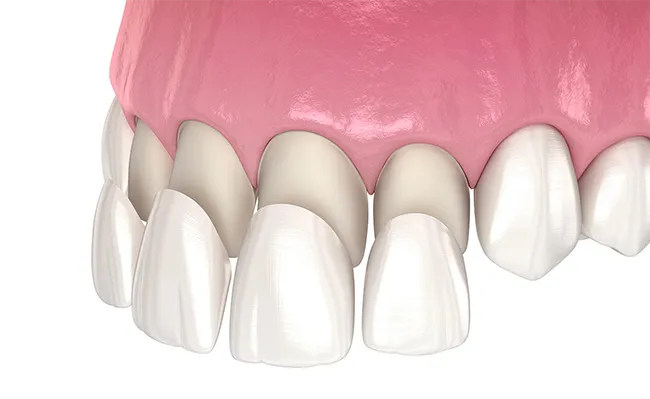
Dental veneers are thin shells that are applied to your teeth to have an aesthetic smile. Improves your smile’s size, shape, and colour.
Common Veneer Types:
Porcelain Veneers
Porcelain veneers are thin ceramic shells custom-made in a dental lab. They are super tough and stain-resistant and great against coffee or wine! It can last 10–15 years with good care, mimicking real teeth perfectly.Composite Veneers
Composite veneers use a tooth-coloured resin material applied directly onto your teeth in one visit. They’re cheaper, quicker to fit with less tooth prep, but may stain over time and last about 5–7 years.
Why People Choose Dental Veneers
Stained or Discolored Teeth
They cover stains from coffee, wine, or smoking that whitening cannot fix. Gives your teeth a bright and natural white look that stays stain-free.Minor Chips or Cracks
It will smoothly hide minor chips from damage, falls or sports. Protects your weak spot and makes your tooth look whole again.Small Gaps between Teeth
Tiny spaces between your teeth can trap food or look uneven. Veneers fill small gaps perfectly! Your smile lines up straight for a balanced and beautiful look.Shape or Size Issues
It reshapes short, odd-shaped, or worn teeth to match your ideal smile. Makes everything even and uniform, like nature intended.Balanced, Confident Smile
It creates a harmonious smile that boosts your self-esteem. You will grin more freely in any photos, chats, or dates.
How the Dental Veneer Procedure Works
Initial Consultation and Dental Assessment
Your dentist will examine your teeth, gums, and overall oral condition, discuss your smile goals, and check if veneers are the best option for you.Tooth Preparation
A thin layer of enamel is carefully removed from the front of your teeth to allow the veneers to fit properly. Local anaesthetic is used to reduce discomfort.Dental Impressions and Custom Veneer Creation
Your dentist takes impressions of the prepared teeth and selects a suitable shade to match your smile. These are sent to a lab where custom veneers are crafted, with temporary veneers often placed in the meantime.Veneer Placement and Bonding
The veneers are checked for fit and appearance. A special dental cement is used to secure them, then hardened with a light for a strong, lasting bond.Final Adjustments and Follow-Up
Final adjustments are made to ensure the veneers fit well, look natural, and feel comfortable. Follow-up visits may be required to monitor and maintain your results.
Do Dental Veneers Harm Natural Teeth?
Dental veneers do not harm natural teeth when they are placed correctly. The key is professional dental care and proper technique! Dentist removes just a thin layer of your enamel for veneers to fit. Ensuring your teeth remain strong and protected.
Why professional care matters:
- Ensures veneers fit perfectly without gaps.
- Seals teeth against bacteria and decay.
- Protects surrounding gums and enamel.
Tips to keep your teeth healthy with veneers:
- Brush and floss daily.
- Avoid hard foods.
- Visit your dentist regularly.
Benefits of Dental Veneers
Natural-Looking Smile
It’s a custom-made to match your teeth’s colour and shape perfectly. Blends in so well that no one can tell they’re not your real teeth. Just a brighter, even grin!Long-Lasting Results
With proper care, veneers can last many years and stay looking great. That’s years of confidence without constant fixes.Stain Resistance
It is made to resist stains and maintain the brightness of your smile. Supports to maintain a clean, fresh and natural-looking smile.Minimal Maintenance
No special routine needed! Just brush, floss, and see your dentist regularly like normal teeth. Skip grinding habits, and they’ll stay perfect.Fixes Multiple Issues
Veneers tackle stains, chips, gaps, and wonky shapes all at once. One treatment sorts your whole smile for a balanced, happy look.
Possible Risks or Concerns with Dental Veneers
Your teeth may feel sensitive to hot, cold, or sweet foods for a few days or weeks. But it usually fades as your nerves settle! This is because a thin layer of enamel has been removed.
Temporary Tooth Sensitivity
It can chip or crack if you bite hard objects or if you have a habit of grinding your teeth. They are strong teeth, but that doesn’t mean that they are unbreakable! Therefore, try to avoid using too much pressure on your teeth.Decay from Poor Hygiene
Skipping daily hygiene lets plaque buildup around veneers and edges. It can lead to decay in your natural teeth. Good daily habits prevent bacteria from causing gum issues or cavities.Need for Replacement
Veneers aren’t forever! These need to be changed every 10 to 15 years because of wear.
How to Protect Natural Teeth After Getting Veneers
Good Oral Hygiene Habits
Brush twice daily with fluoride toothpaste and floss to remove plaque. This stops bacteria from harming your enamel or gums underneath.Regular Brushing and Flossing
Use a soft brush and floss between teeth to remove food gently. It prevents decay on natural tooth parts not covered by veneers.Avoid Biting Hard Objects
Avoid chewing or biting hard objects like ice, nuts, pens, or fingernails. It can chip or crack overtime! Sip drinks through a straw when needed to protect your teeth.Regular Dental Check-Ups
Visit your dentist every six months for cleanings and exams. We spot any tiny issues early to protect your natural teeth.Night Guard for Grinding
If you grind teeth at night, wear a custom night guard. It will help stop excessive force on your veneers and underlying teeth. Avoiding cracks or wear!
Clyde North Dental Studio helps patients care for their veneers and oral health. Regular check-ups and professional care keep smiles healthy and lasting.
Are Dental Veneers the Right Choice for Your Smile?
Veneers may suit your smile, but they’re not always your first pick. We will guide you! Let’s break down when they suit and smart alternatives.
When Veneers Are Recommended
We recommend veneers for healthy teeth with stains, chips, gaps, or unevenness. Healthy enamel, gums, and good oral care are needed for long-lasting veneers.
Alternative Treatments:
- Teeth Whitening
Bleaches stains safely for a brighter grin without changing tooth structure. Great for healthy but yellow teeth.
- Dental Bonding
Adds tooth-coloured resin to fill chips or gaps in one quick visit. It’s less pricey but shorter-lasting than veneers.
- Orthodontic Treatments
Braces or aligners straighten crooked teeth properly. Best for big spacing or alignment issues that veneers can’t fully fix.
Professional Consultation Is Key
Always book a dental check-up to ensure the best results. Our dentist will assess your mouth, bite, and overall oral health to determine the right fit for you. Book an appointment today—no guesswork means a smile you’ll love long-term.