
Have you ever run your tongue across your teeth and felt a sticky, fuzzy coating? That film is dental plaque, and it starts forming within minutes of eating. If you leave it alone, it leads to cavities, gum disease, and even tooth infections. The good news is that plaque is completely preventable with the right daily habits. This article explains what plaque is, why it becomes dangerous, and how you can stop it from causing serious damage to your smile.
What Is Dental Plaque?
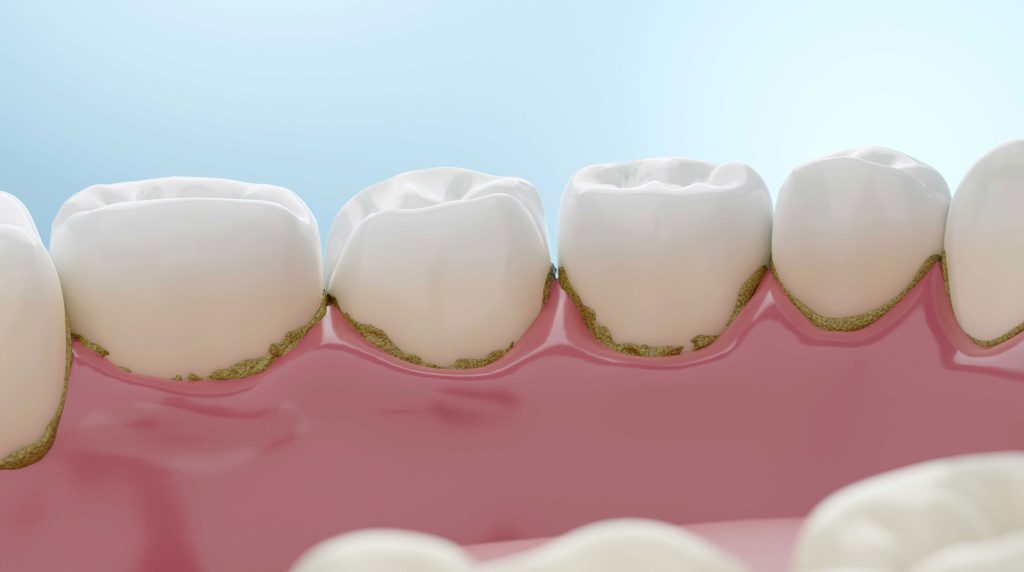
Dental plaque is a soft, sticky film made up of bacteria, food particles, saliva, sugars, and acids. It coats the surface of your teeth and sits along your gum line. Over time, this film hardens into tartar (also called calculus), which is a rock-hard deposit that cannot be removed with a toothbrush alone. Plaque is colourless in its early stages, which makes it easy to miss — but your teeth will tell you it is there.
What Causes Plaque to Build Up?
Plaque builds up because of natural bacteria that already live inside your mouth. Every time you eat or drink, especially foods high in sugar or starch, these bacteria feed on the leftovers and produce acid as a by-product. That acid attacks your tooth enamel (the hard outer layer of your teeth) and creates the sticky film known as plaque.
A diet high in sugary snacks, soft drinks, and processed foods speeds up this process significantly. Bacteria have more fuel to work with, which means more acid and more plaque forming faster.
Poor oral hygiene habits make the problem worse. When you skip brushing or flossing, plaque is not being removed regularly, so it accumulates quickly and starts hardening within 48 to 72 hours. The good news is that lifestyle changes and good daily habits can turn this around.
What Are the Risks of Ignoring Plaque?
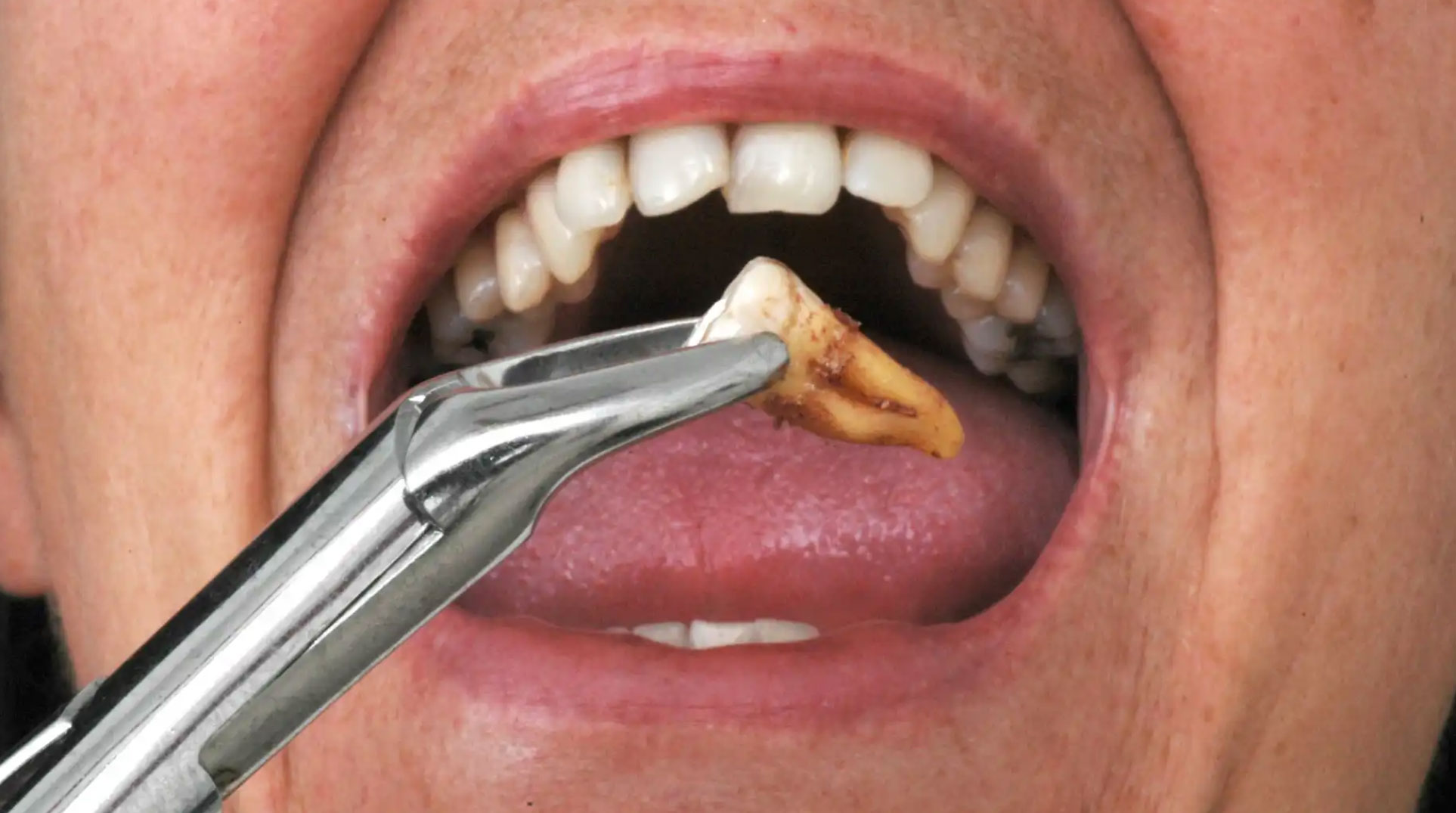
Leaving plaque untreated is one of the most common reasons people end up needing serious dental work. When plaque is not removed, it hardens into tartar, which only a dentist or hygienist can remove professionally. From there, the risks grow quickly.
Tooth decay and cavities form because the acid produced by plaque slowly breaks down your enamel. Once enamel is damaged, it cannot repair itself on its own, and a filling becomes necessary.
Gum disease is another serious risk. When plaque builds up along the gum line, it causes the gums to become red, swollen, and prone to bleeding. This early stage is called gingivitis (inflammation of the gums), and if it is not treated, it can progress into a more serious condition called periodontitis, which can lead to tooth loss.
Persistent bad breath is also linked to plaque, because the bacteria inside the film release unpleasant-smelling gases as they feed. The great news is that all of these problems are largely preventable with consistent oral care.
Can You Only Get Plaque If You Eat Lots of Sugar?
This is a very common myth worth addressing. Many people believe that plaque is only a problem for those who eat a lot of lollies or sugary drinks. In reality, plaque forms in everyone’s mouth every single day, regardless of diet. Even people who eat very little sugar still have natural bacteria in their mouths that produce plaque. Sugar does accelerate the process, but it is not the sole cause. Skipping brushing even one night gives plaque enough time to cause harm.
When Is the Right Time to Address Plaque?
The best time to address plaque is right now, regardless of your age or dental history. Plaque starts forming within minutes after eating, so daily brushing and flossing habits are important from childhood onwards. For children, parents play a big role in setting up good routines early, since healthy habits formed young tend to last a lifetime. For adults, it is never too late to improve your oral care routine and reduce your risk of gum disease and cavities.
Does Plaque Go Away on Its Own?
No, plaque does not go away without action. Left untouched, it hardens into tartar within 48 to 72 hours, and once that happens, brushing and flossing cannot remove it. Tartar must be professionally cleaned by a dentist or dental hygienist using specialised tools. This is exactly why a consistent daily oral hygiene routine is so important — it removes plaque before it ever gets the chance to harden.
How to Remove and Prevent Plaque Effectively
Keeping plaque under control does not have to be complicated. These five steps cover everything you need to protect your teeth and gums every day.
-
Brush twice daily with fluoride toothpaste
Spend at least two minutes each session and cover all tooth surfaces, including the back teeth and along the gum line. Use gentle, circular motions rather than scrubbing hard, which can damage your enamel over time.
-
Floss every day
Flossing removes plaque and food particles from between your teeth, in the spots where a toothbrush simply cannot reach. Even once a day makes a significant difference.
-
Use an antibacterial mouthwash
Rinsing with an antibacterial mouthwash helps kill bacteria in hard-to-reach areas and reduces plaque formation throughout the day. It also freshens breath caused by bacterial activity.
-
Eat a tooth-friendly diet
Reduce sugary snacks and acidic drinks, which fuel plaque-producing bacteria. Drink plenty of water, and eat more vegetables, fruits, and calcium-rich foods that support strong teeth and healthy gums.
-
Visit your dentist every six months
Professional cleaning removes hardened tartar that home care cannot touch. Your dentist can also spot early signs of gum disease or tooth decay before they become bigger and more expensive problems to treat.
Ready to Take Control of Your Oral Health?
If you have noticed yellow buildup near your gums, persistent bad breath, or gums that bleed when you brush, it is time to book a visit with the team at Clyde North Dental Studio. We provide professional cleaning, tailored advice, and friendly support to help you keep your smile healthy for the long term. Do not wait for small problems to grow into bigger ones — book your appointment today or call (03) 9124 3729 and take the first step towards a cleaner, healthier mouth.
Frequently Asked Questions
How quickly does plaque start forming on teeth?
Plaque begins forming within a few minutes after eating, as bacteria in your mouth immediately start feeding on leftover sugars and producing acid. This is why brushing twice a day is so important.
Can plaque be completely removed at home?
Soft plaque can be removed effectively with proper brushing and flossing every day, but once it has hardened into tartar, a professional dental clean is the only way to remove it safely.
Is plaque the main cause of gum disease?
Yes, plaque is one of the leading causes of gum disease because it irritates the gum tissue, causing inflammation, bleeding, and infection if left untreated for too long.
How often should I visit the dentist to control plaque?
Visiting your dentist every six months for a check-up and professional clean is the recommended standard, as it helps detect and remove plaque and tartar before they cause lasting damage.