

Bad breath, also known as halitosis, is a common problem that many people experience at some point in their lives. Most people think bad breath only happens when they forget to brush their teeth or eat strong-smelling foods like garlic or onions. However, it can be worrying when your breath still smells bad even after brushing your teeth properly.
If you brush twice a day and still notice an unpleasant smell, the problem may not be your brushing routine. In many cases, hidden dental issues are the real cause. These problems can sit below the gums, inside teeth, or in hard-to-reach areas where a toothbrush cannot clean properly.
In this article, you will learn about 7 surprising dental causes of bad breath that many people don’t think about. Understanding these causes can help you take the right steps to protect your oral health and know when it’s time to see a dentist.
1. Gum Disease (Periodontal Problems)
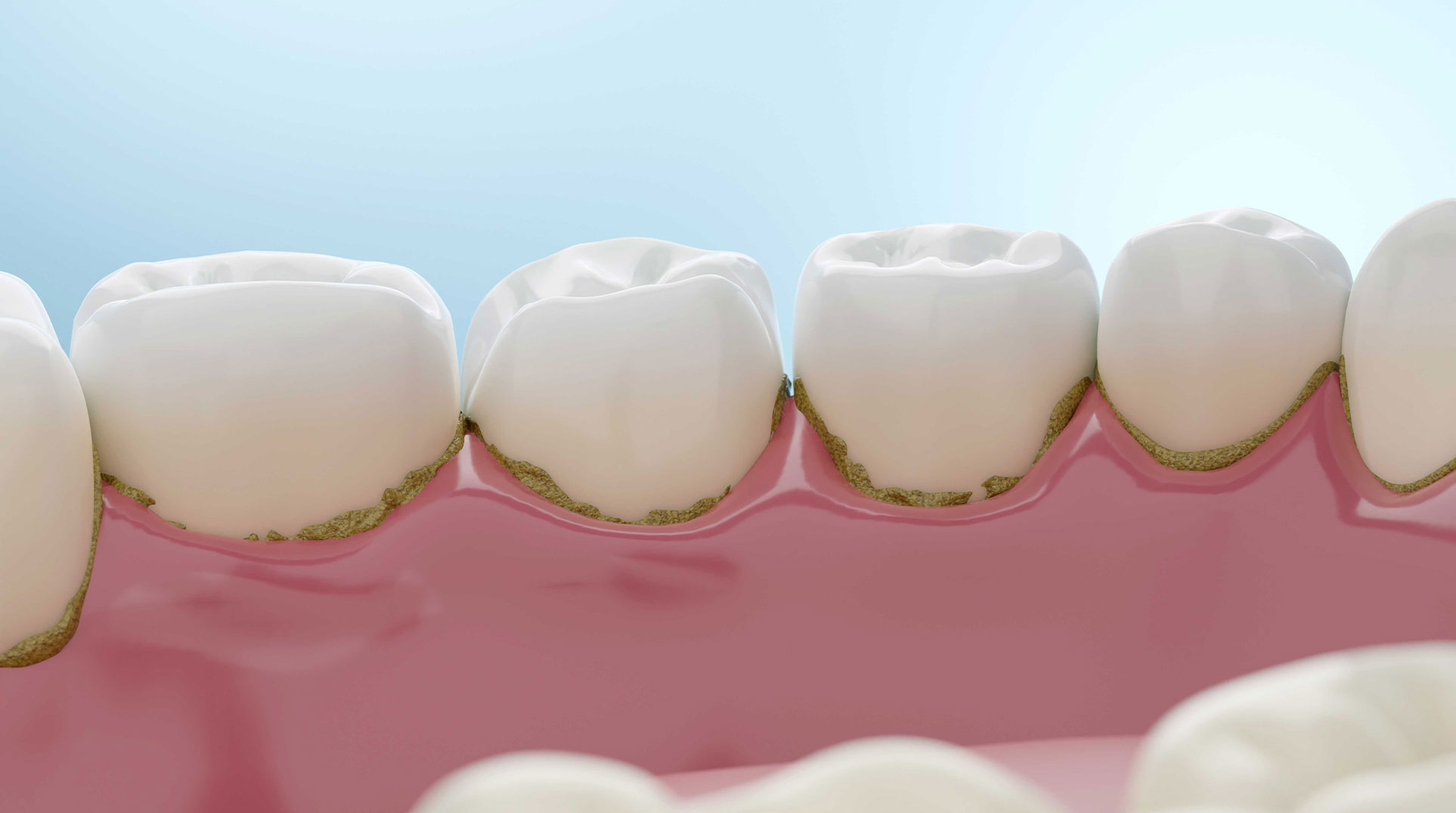
Gum disease, also called periodontal disease, is one of the most common causes of bad breath that does not go away after brushing. It happens when plaque and bacteria build up under the gums. These bacteria release bad-smelling gases as they grow.
Early signs of gum disease include:
- Bleeding gums when brushing or flossing
- Red, swollen, or tender gums
- Gums pulling away from the teeth
Brushing your teeth cleans the surfaces you can see, but it cannot remove bacteria trapped deep under the gums. If gum disease is not treated, the smell can become stronger over time. Professional dental cleaning and proper treatment are needed to remove this hidden bacteria and stop the odour.
2. Tooth Decay and Cavities
Tooth decay happens when bacteria damage the tooth and create cavities. These small holes can trap food particles and germs. When food gets stuck inside a cavity, it starts to break down and smell unpleasant.
Even if you brush carefully, your toothbrush cannot clean inside a cavity. This means the bacteria continue to grow and produce bad odours. Untreated decay can also lead to pain, infection, and further dental problems.
Fixing cavities with dental fillings not only protects the tooth but also helps remove a hidden cause of ongoing bad breath.
3. Dry Mouth (Xerostomia)
A dry mouth, also known as xerostomia, happens when your mouth does not produce enough saliva. Saliva plays an important role in keeping your mouth clean by washing away bacteria and food particles.
Common causes of dry mouth include:
- Mouth breathing, especially during sleep
- Certain medications
- Dehydration
- Smoking
When there is not enough saliva, bacteria stay in the mouth longer and create bad-smelling gases. This can lead to bad breath even if you brush well. Drinking water, managing medications, and getting dental advice can help improve saliva flow and reduce odour.
4. Tongue Bacteria Build-Up
Many people forget that the tongue can hold a lot of bacteria. The rough surface of the tongue allows germs to collect, especially at the back. These bacteria produce sulphur compounds, which cause strong bad breath.
Brushing your teeth alone is not enough to clean the tongue properly. Without tongue cleaning, bacteria continue to build up and create unpleasant smells. Using a tongue scraper or gently brushing your tongue can make a big difference in keeping your breath fresh.
5. Poorly Fitting Dental Work
Dental treatments such as crowns, bridges, dentures, or fillings should fit comfortably and securely. If dental work does not fit properly, small gaps can form where food and bacteria get trapped.
These hidden spaces are difficult to clean at home. Over time, trapped food breaks down and causes ongoing bad breath. Regular dental check-ups allow your dentist to check that dental work fits well and fix any problems before they cause odour or infection.
6. Impacted Wisdom Teeth
Wisdom teeth often cause problems when they do not grow in properly. Partially erupted or impacted wisdom teeth can create pockets in the gums where bacteria and food get stuck.
These pockets are hard to clean and can lead to:
- Bad breath
- Gum infections
- Swelling and pain
Even with good brushing, bacteria around impacted wisdom teeth may continue to smell. A dentist can assess whether wisdom teeth need extra cleaning, monitoring, or removal to protect your oral health.
7. Infected Root Canals or Dental Abscess
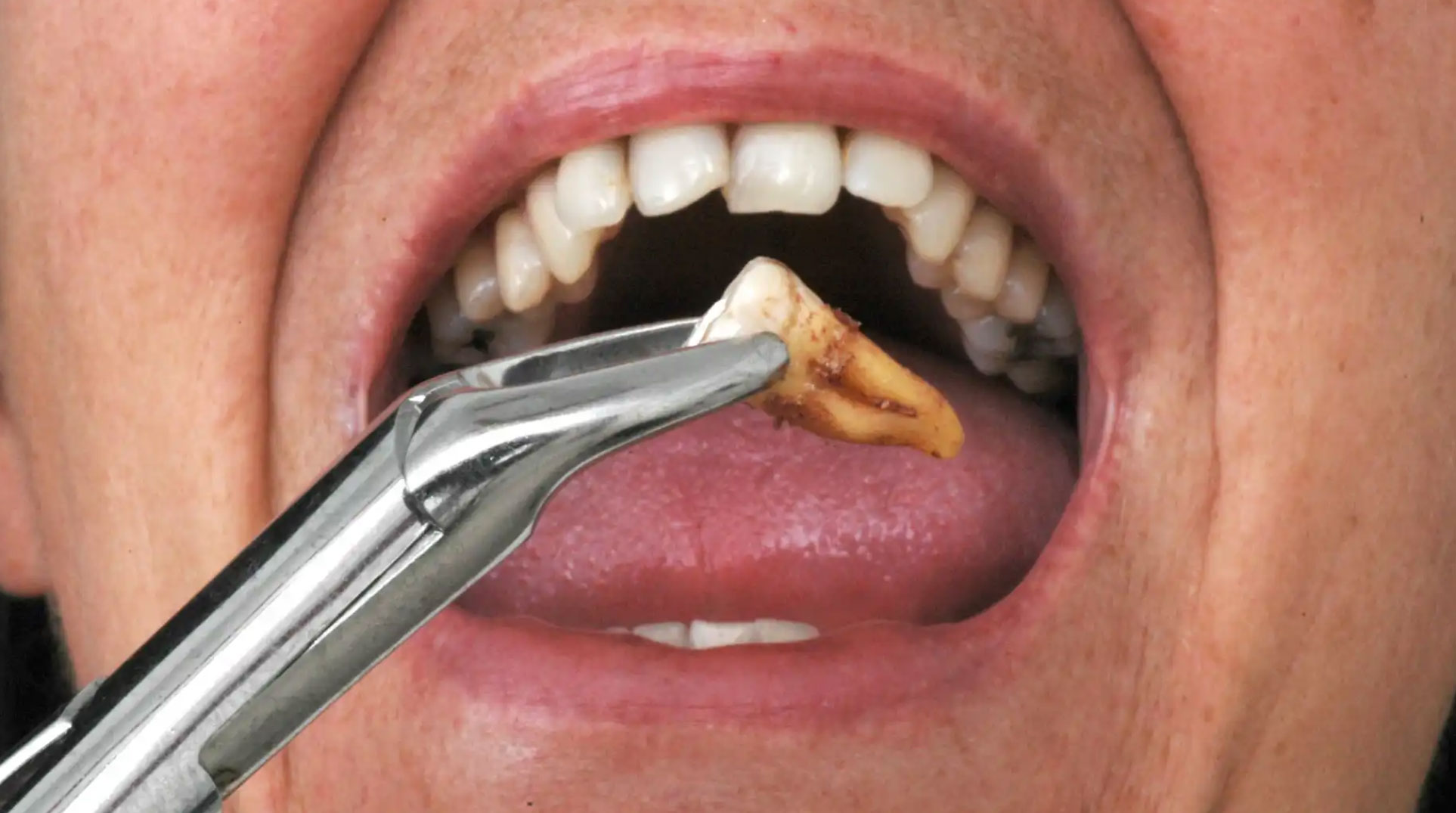
A root canal infection or dental abscess happens when bacteria reach deep inside the tooth. This type of infection releases foul-smelling gases that brushing and mouthwash cannot remove.
Signs of deep infection may include:
- Ongoing bad breath
- Tooth pain or sensitivity
- Swelling or pus
Because the infection is inside the tooth or jaw, only professional dental treatment can fix the problem. Treating the infection removes the smell and prevents serious health complications.
When Bad Breath Could Be More Than Dental
Sometimes bad breath is not caused by teeth or gums alone. Other possible causes include:
- Sinus infections
- Tonsil stones
- Digestive issues
Because there are many possible reasons for halitosis, it is important to get a professional diagnosis. A dentist can check for dental causes and guide you if another health professional is needed.
How Dentists Can Help with Persistent Bad Breath
Dentists are trained to find the root cause of ongoing bad breath. Treatment may include:
- Professional dental cleaning
- Gum disease treatment
- Fillings for cavities
- Advice on brushing, flossing, and tongue cleaning
Regular dental check-ups help prevent problems before they cause bad breath. Early care keeps your mouth healthy and your breath fresh.
Need Help? Clyde North Dental Studio Is Here for You
If you need help with bad breath, gum disease, tooth decay, or professional cleaning, the expert dentists at Clyde North Dental Studio are here to support you. Our team provides gentle, safe, and effective dental care to keep your teeth and gums healthy.
We take time to find the real cause of halitosis and create a treatment plan that suits your needs. Call us on (03) 9124 3729 or book online to schedule your appointment and take the first step towards fresher breath and a healthier smile.
FAQs
Yes, bad breath can be a sign of gum disease. The bacteria build-up that irritates your gums causes bad smell or taste.
We recommend cleaning your tongue at least once a day. Persistent bad breath needs tongue cleaning twice a day. Use tongue scraper, it’s more effective than toothbrush.
It helps to reduce bad smell temporarily by killing bacteria and concealing odour. But doesn’t cure your bad breath permanently.
If bad breath continues, visit us immediately! Chronic halitosis may indicate infections or health issues needing professional treatment.
Conclusion
Bad breath can feel embarrassing, but it is usually treatable once the real cause is found. Many dental problems, such as gum disease, cavities, dry mouth, and infections, cannot be fixed with brushing alone. Ignoring ongoing halitosis can allow small dental issues to turn into bigger problems. Regular dental visits help protect your teeth, gums, and overall health.