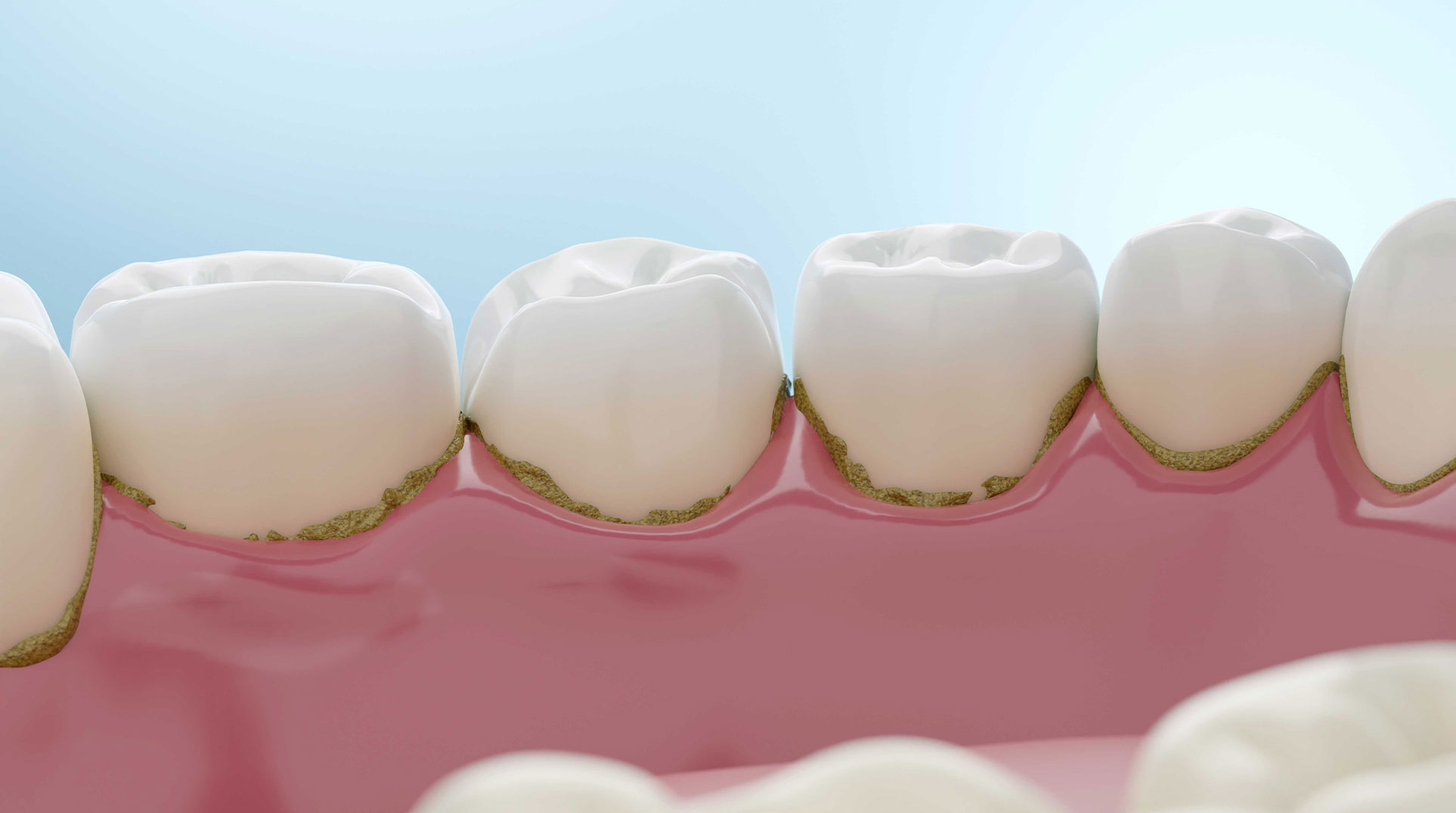

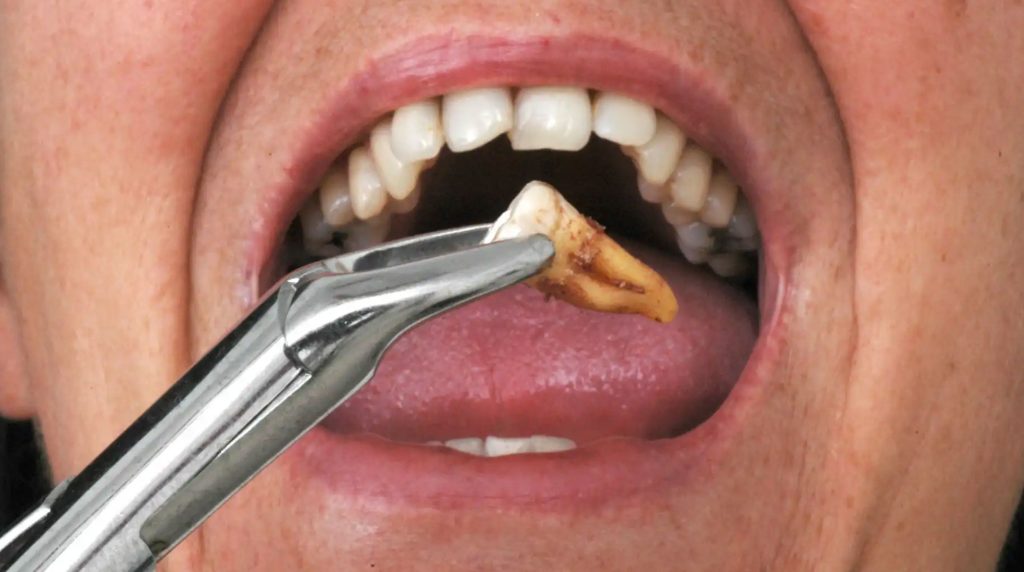
Getting your wisdom teeth removed is one of the most common dental procedures people in Cardinia go through, and it is an effective way to prevent pain, infection, and overcrowding down the track. Most people heal well without trouble, but there is one complication worth knowing about beforehand, called dry socket. This happens when the blood clot protecting your healing gum is lost too early, leaving the bone and nerves exposed and causing real discomfort. This article walks you through what dry socket is, who tends to be more at risk, the warning signs to watch for, and the everyday steps you can take to recover comfortably.
What Is Dry Socket After Wisdom Teeth Removal?
Dry socket, which dentists call alveolar osteitis, happens when the blood clot that forms after your tooth is removed either comes away too soon or never properly forms. Straight after your extraction, your body starts forming a blood clot in the empty socket, usually within the first day. This clot works like a natural bandage, protecting the bone and nerve endings underneath and giving your gum tissue something to heal around. When that clot gets disturbed, the bone and nerves are left exposed to air, food, and fluid, which causes the sharp, throbbing pain associated with dry socket.
Not everyone who has a tooth removed will experience dry socket, and research suggests it affects a relatively small percentage of routine extractions. However, the risk becomes noticeably higher for wisdom teeth that were impacted or difficult to remove, particularly in the lower jaw. Because the pain usually shows up a few days after surgery rather than straight away, it can catch people off guard, which is exactly why reaching out to your dentist as soon as something feels wrong can make a real difference to your recovery.
Who Is More Likely to Develop Dry Socket?
While dry socket can technically happen to anyone, a few factors are known to increase the risk quite a bit.
- Smoking or vaping after surgery is one of the biggest risk factors, because the sucking motion can pull the healing clot loose, and tobacco also slows down blood flow to the area.
- Poor oral hygiene can allow bacteria to build up around the wound and interfere with healing, so keeping your mouth clean matters, though it needs to be done gently and only in the way your dentist recommends.
- Difficult or impacted extractions tend to leave a larger healing site that needs more time and care, especially for lower wisdom teeth positioned sideways or below the gum line.
- Certain medical conditions or medications can affect how well your blood clots and heals. Some research has linked oral contraceptives to a slightly higher risk, which is one reason your dentist will ask about your medical history beforehand, so your advice can be tailored to you.
- Not following aftercare instructions closely, even in small ways like using a straw too soon or rinsing too hard, can accidentally dislodge the clot before it has fully formed.
Common Signs and Symptoms of Dry Socket
Some mild soreness in the days after surgery is normal and should gradually improve. However, a few signs suggest something more serious, and it is worth watching for these as you recover.
Severe pain that develops a few days after your extraction, rather than easing off, is usually one of the clearest signs. This pain often feels much sharper than typical post-surgery soreness, and it can spread outward toward your jaw, ear, or neck on the same side as the extraction. You might also notice an unpleasant taste or persistent bad breath, caused by food and bacteria collecting in the open socket once the clot is gone. In some cases, the socket may look empty or exposed rather than covered by the usual dark blood clot.
How to Reduce the Risk of Dry Socket
The good news is that dry socket is largely preventable when you follow a few simple habits during the first week of recovery.
Follow your dentist’s aftercare instructions closely.
Your dentist will give you specific guidance based on which teeth were removed and how your surgery went, and sticking to this advice is one of the most effective ways to protect the healing clot. Take any prescribed pain relief or antibiotics exactly as directed.
Choose soft foods during your recovery.
Sticking to foods that need little chewing helps avoid disturbing the healing site. Drink plenty of water, but avoid straws for the first several days, since the suction can lift the clot out of the socket.
Maintain gentle oral hygiene.
Keep brushing your teeth, but work carefully around the extraction site. Most dentists recommend avoiding rinsing for the first day, after which you can rinse gently with warm salt water, once your dentist confirms it is safe.
Avoid activities that can dislodge the blood clot.
For the first few days, steer clear of smoking, vaping, drinking through a straw, vigorous rinsing or spitting, and strenuous exercise, since raised blood pressure can restart bleeding at the site. Resting properly gives your mouth the best chance to heal.
What to Eat After Wisdom Teeth Removal
Choosing gentle, nutritious foods protects the healing socket while still giving your body the fuel it needs to recover well.
Good options during the first few days include yoghurt, mashed potato, scrambled eggs, applesauce, smoothies, warm soup, oatmeal, avocado, and cottage cheese, since these are soft and need little to no chewing.
It is best to avoid hard or crunchy foods, chewy or sticky foods, spicy dishes, very hot food and drinks, alcohol, and carbonated drinks while healing, since these can irritate the site or risk disturbing the clot. Sipping water throughout the day matters too, since staying hydrated supports healing and helps keep your mouth clean.
When Should You Contact Your Dentist?
While mild discomfort is normal during recovery, a few warning signs mean it is time to get in touch with your dentist rather than waiting it out. These include pain that keeps getting worse instead of improving, swelling that keeps increasing, fever or other signs of infection such as pus or a foul smell, and any heavy bleeding or unusual discharge.
If your dentist confirms dry socket, treatment is usually straightforward and brings relief fairly quickly. This typically involves gently cleaning the socket and placing a medicated dressing inside it to protect the area while new tissue forms, along with pain relief if needed.
How Clyde North Dental Studio Supports Your Recovery
Every patient at Clyde North Dental Studio receives personalised post-operative instructions along with follow-up care whenever needed. The team guides you through what to expect at each stage of healing, with practical tips for managing discomfort.
If you have noticed severe pain a few days after your extraction, swelling that keeps increasing, or any other signs of infection, it is time to get in touch with the team at Clyde North Dental Studio. We offer prompt follow-up care and friendly, personalised guidance to help you through every stage of healing. Do not wait for dry socket or other complications to get worse — book your appointment today or call (03) 9124 3729 and take the first step towards a comfortable, worry-free recovery.
Frequently Asked Questions
What is dry socket after wisdom teeth removal?
Dry socket happens when the protective blood clot is lost too early or does not form properly, leaving the bone and nerves exposed. This causes intense pain and can slow healing.
How can I prevent dry socket after wisdom teeth removal?
Following your dentist’s aftercare instructions closely gives you the best protection. Avoiding smoking, vaping, straws, and anything that creates suction around the socket during the first few days makes a real difference.
How long does it take to recover after wisdom teeth removal?
Most people feel noticeably better within three to four days. The gum usually closes over within one to two weeks, while the bone underneath keeps healing gradually, depending on how complex your extraction was.
When should I see a dentist after wisdom teeth removal?
See your dentist if you notice worsening pain, increasing swelling, fever, heavy bleeding, or any other signs of infection. Getting in touch early helps prevent complications.
Conclusion
Most people recover comfortably after wisdom teeth removal, especially when they follow their dentist’s aftercare advice closely. Knowing how to protect your healing site, along with the early warning signs of dry socket, puts you in a much better position for a smooth recovery.
If you are planning wisdom teeth removal in Cardinia or need advice during recovery, the team at Clyde North Dental Studio is here to help with personalised care and clear, practical guidance.