
This blog explains what causes receding gums, the early signs to watch for, and the treatment options available. Gum tissue does not grow back on its own, so the goal is catching recession early and stopping it worsening. You will also learn daily habits that protect your gums, so you finish with a clear, realistic picture of what to do.
What Are Receding Gums?
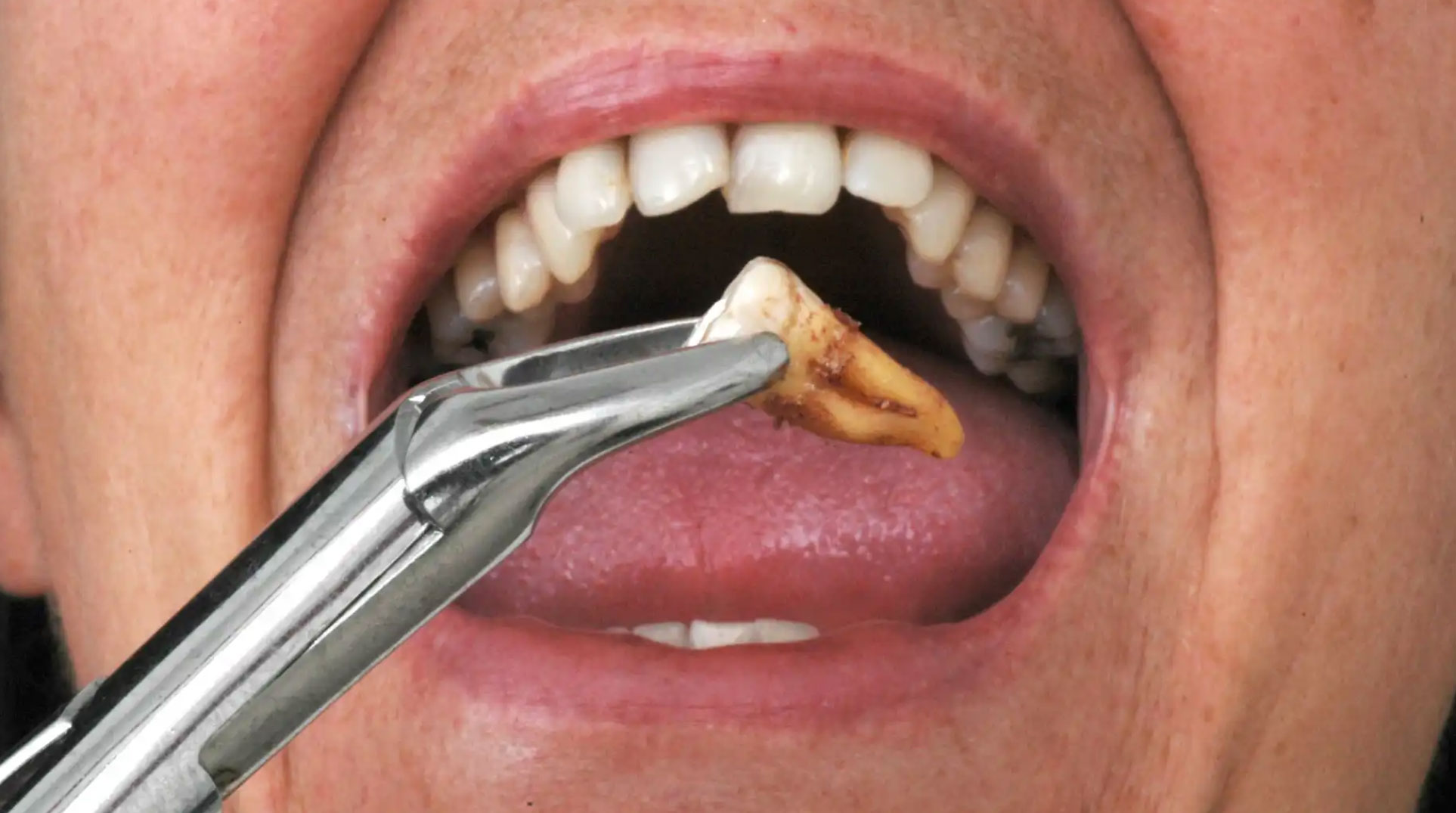
Gum recession happens when the gum tissue gradually pulls back from the tooth, exposing more of the crown and eventually the root. It can affect one tooth or several, often unevenly.
Healthy gums act as a seal, fitting tightly around each tooth to keep bacteria away from the bone that holds your teeth in place. When gums recede, that seal weakens, and the exposed root has no enamel, so it wears down and decays more easily. This is why sensitivity is often the first thing people notice, since the nerve pathways sit closer to the surface once the root is exposed. Recession is a genuine sign something needs attention, not purely a cosmetic change.
What Causes Receding Gums?
-
Gum Disease
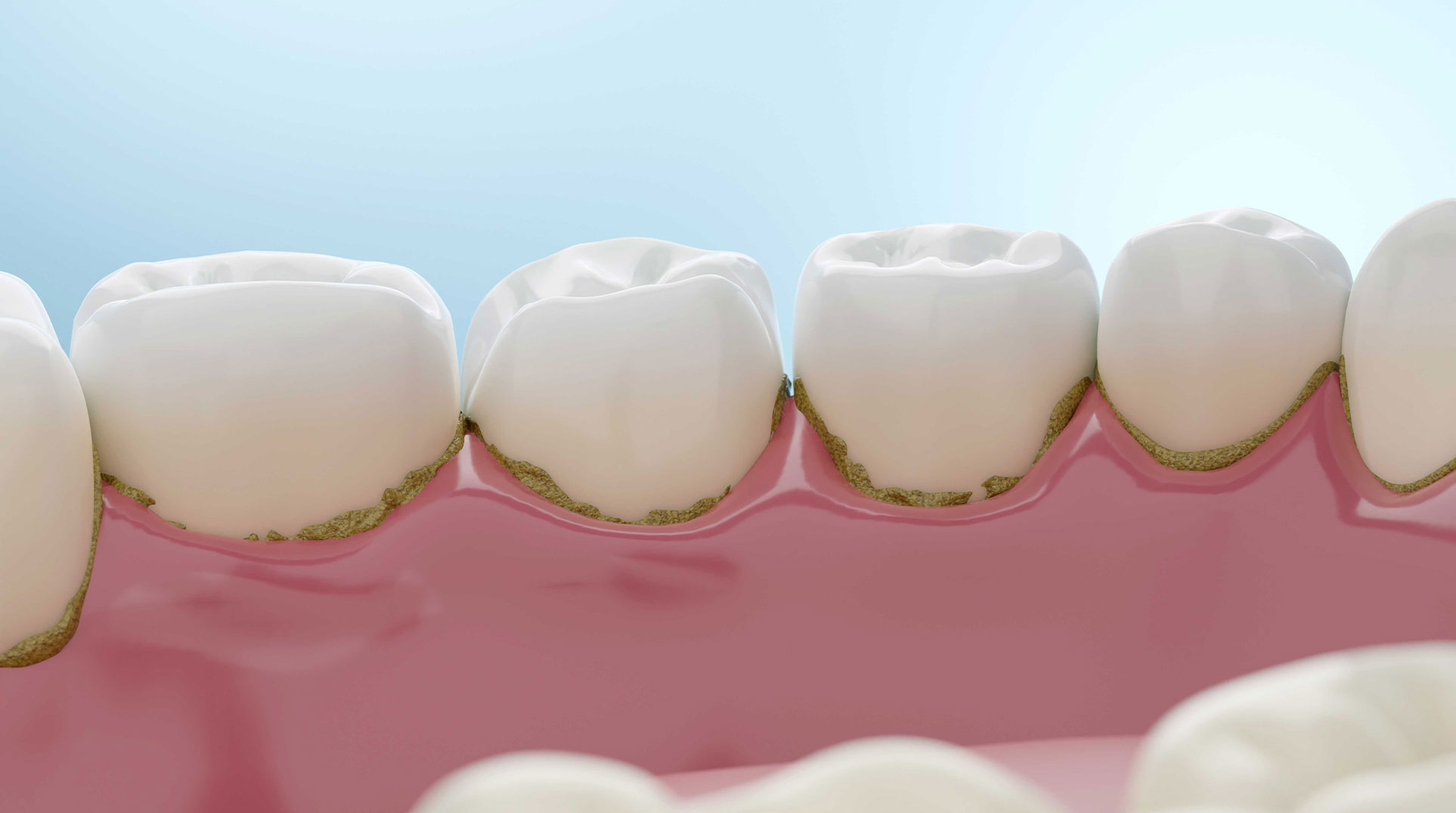
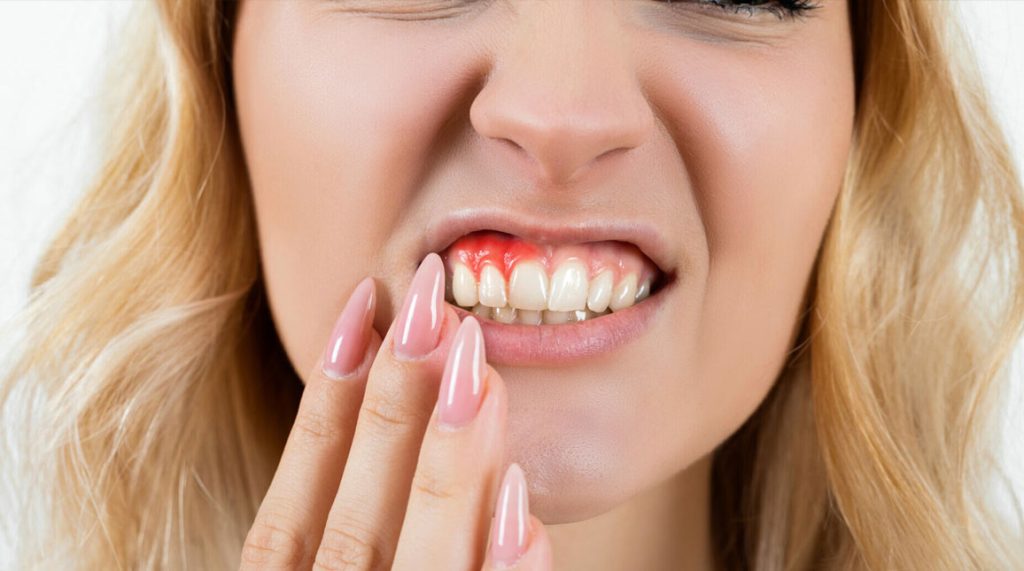
Bacterial plaque hardens into tartar along the gum line and triggers inflammation. In the early stage, gingivitis, gums become red, puffy and prone to bleeding, though nothing is permanently damaged yet. Left untreated, this can progress into periodontitis, where the body’s response to the infection breaks down the fibres and bone holding the tooth, causing the gum to recede. This is the most common cause, and the damage is permanent.
-
Brushing Too Hard
Gum tissue is delicate, and scrubbing it too vigorously wears it away, often visible on the surfaces of whichever teeth you brush hardest. Hard bristles, heavy pressure and a sawing motion all contribute, and even people with excellent habits can cause this simply by brushing too firmly.
-
Teeth Grinding and Bite Problems
Clenching and grinding, often during sleep, puts far more force on your teeth than chewing does, and an uneven bite concentrates that force onto a few teeth. Over the years this can contribute to recession, worn enamel, notches near the gum line, cracked teeth and jaw discomfort, and many people do not realise they grind until a dentist spots the wear.
-
Lifestyle and Health Factors
Smoking is a major risk factor, since it reduces blood flow to the gums, worsens gum disease and slows healing. Hormonal changes during pregnancy and menopause can make gums react more strongly to plaque, and genetics play a role too, since thin gum tissue and susceptibility to gum disease can run in families. Diabetes, certain medications and inconsistent brushing add further risk.
Common Signs of Receding Gums
- Tooth sensitivity. Sharp, short pain from cold, heat, sweetness or cold air, because exposed dentine has no enamel over it. Often the earliest sign.
- Teeth appearing longer. More tooth shows than before; photos from a few years ago help you compare.
- Visible tooth roots. A yellower band near the gum line, or a ridge you can feel where enamel ends.
- Bleeding or swollen gums. Bleeding when brushing or flossing isn’t normal — healthy gums are firm and pale pink.
- Persistent bad breath. Bacteria in gum pockets can cause odour or a bad taste that brushing doesn’t fix.
If you notice any of these, book an examination rather than self-diagnosing, because several conditions cause similar symptoms.
Why Early Treatment Is Important
Treating gum recession early stops it getting worse, since recession follows its cause, and removing that cause usually means the tissue you still have stays in place, even though tissue already lost will not return. Early treatment also reduces decay risk, since exposed root surfaces decay more easily than enamel and are harder to repair. Most importantly, it protects the bone supporting your teeth, since ongoing gum disease destroys that bone and leads to loose teeth. Catching the problem early is simpler and cheaper than managing advanced disease later, and the payoff is stable gums, less sensitivity and teeth you keep longer.
Treatment Options for Receding Gums
Treatment depends on the cause and how advanced the recession is, so your dentist measures pocket depth, checks for bone loss and identifies the driver before recommending a plan.
-
Professional Dental Cleaning
For milder cases with inflammation but no significant bone loss, a professional clean removes plaque and tartar you cannot shift alone, including deposits below the gum line, and inflamed gums often settle within a couple of weeks. This is paired with coaching on brushing technique, since the improvement only lasts if your routine changes too.
-
Scaling and Root Planing
Where pockets have deepened, a deeper clean below the gum line becomes necessary, with scaling removing tartar from root surfaces and root planing smoothing them so bacteria find it harder to reattach. This is usually done under local anaesthetic across more than one appointment, with a review weeks later.
-
Gum Grafting
In advanced cases with significant recession, exposed roots or ongoing sensitivity, a graft can cover the exposed root using tissue from elsewhere in your mouth or a donor material. This improves coverage, reduces sensitivity and protects the tooth long term, though it is surgery with a healing period, and suitability depends on your gum type and whether the underlying disease is controlled.
-
Managing the Underlying Cause
None of these treatments hold long term without addressing the actual cause, which might mean a night guard if you grind, a bite adjustment if uneven, a softer brush if pressure is the issue, quitting smoking, or tighter control of a condition like diabetes. Fluoride or desensitising products can also help manage sensitivity meanwhile.
How to Help Prevent Gum Recession
- Brush gently with a soft-bristled brush twice daily, using small circular movements angled towards the gum line with fluoride toothpaste. If the bristles start splaying within weeks, you are pressing too hard.
- Floss daily, or use interdental brushes if they suit your gaps better. Brushing alone misses the surfaces between teeth, where gum disease often begins.
- Attend regular check-ups, generally every six months, so your dentist can measure recession and bone loss before you would notice.
- Avoid tobacco it’s one of the most effective changes a smoker can make for gum health. Wear a custom night guard if recommended. It protects teeth and gums from grinding overnight, since poorly fitted versions can alter your bite.
When Should You Visit Clyde North Dental Studio?
It is worth booking an appointment if you notice ongoing sensitivity to cold, heat or sweetness near the gum line, or if your gums bleed or appear to be receding, since bleeding during brushing signals inflammation rather than brushing too hard. Loose teeth or exposed roots suggest the supporting bone may already be affected, so book promptly. Any general concern about your gum health is worth raising too, including a family history, a previous diagnosis, or gums that do not look right to you.
If you are concerned about receding gums, Dr. Rekha Singh and the team at Clyde North Dental Studio can assess your gum health, explain what is driving the recession, and recommend the right treatment for your needs, with flexible, interest-free payment plans available to help make treatment easier to manage — book your appointment today or call (03) 9124 3729 and take the first step towards protecting your smile.