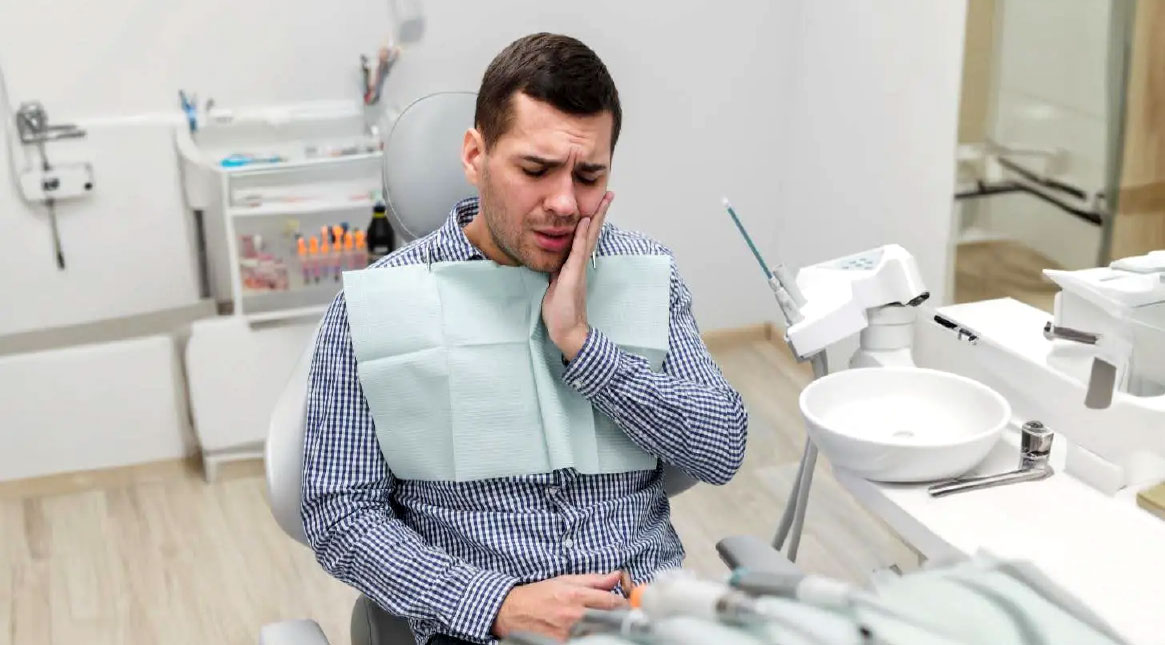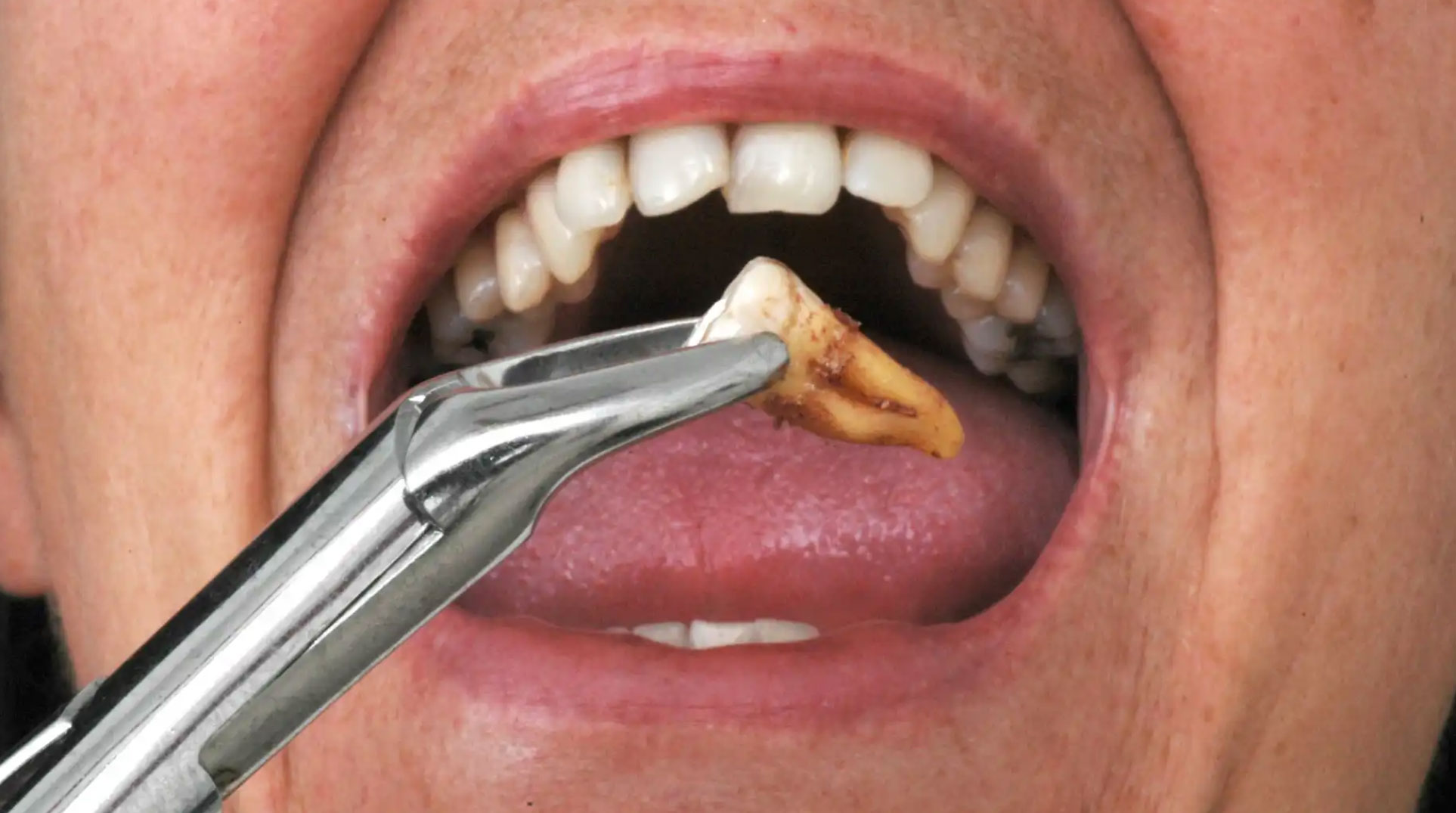


Many people feel anxious when they hear the term ‘root canal,’ often associating it with pain or discomfort. A root canal is a common dental procedure designed to help preserve a tooth that has been badly damaged or infected. It’s not the procedure itself that’s painful, but the toothache that leads to it.
If you’re experiencing a painful tooth or are curious about what “root canal treated” means, this blog is for you. We’re going to break down everything you need to know in super easy language, from the why to the how, and what happens after.
So, let’s get started!
What Does Root Canal Mean?
Think of your tooth like a tiny house. The white, hard part you see is the outside. Inside, there’s a small, hollow space. This space, called the “root canal,” runs down the centre of the tooth and into the roots. This is where the “pulp” lives. The pulp is a soft tissue made up of nerves, blood vessels, and connective tissue. It’s what helps your tooth grow and develop.
When a dentist treats a tooth, it means they go into that little house, clean out the infected or damaged pulp, and seal up the space. Once treated, the tooth no longer has a nerve inside, but it can still function for normal biting and chewing. It can be compared to removing the affected part of a structure to preserve the remainder. The tooth is maintained, and you get to keep it.
Why a Tooth Needs Root Canal Treatment
So, why would the pulp inside your tooth get infected or damaged in the first place? It usually happens for a few key reasons:
- Deep Decay: A simple cavity that becomes significantly large can reach the pulp. Once the bacteria from the decay get in, they can cause a serious infection.
- A Cracked or Chipped Tooth: A serious crack can create a pathway for bacteria to get into the pulp, even if you don’t have a cavity.
- Injury to the Tooth: A sudden blow to the face or mouth can damage the tooth’s pulp, even if there’s no visible crack.
- Repeated Dental Procedures on the Same Tooth: Over time, having multiple fillings on the same tooth can cause trauma to the pulp.
When the pulp gets infected, it can become very painful. You may experience a constant, throbbing ache or sharp pain when you chew. The tooth may also be sensitive to hot and cold temperatures. If left untreated, the infection may spread and could lead to the formation of an abscess, resulting in swelling and discomfort in the surrounding area.
The Root Canal Procedure Recap
A root canal is a fairly common procedure, typically performed over one or two appointments. Here’s a simple step-by-step of what happens:
- Numbing the Area: Your dentist, such as a dentist in Cranbourne, will use a local anaesthetic to numb the tooth and surrounding area, ensuring you remain comfortable throughout the procedure.
- Creating an Opening: The dentist will make a small hole in the top of the tooth to access the pulp chamber.
- Cleaning the Pulp: Using tiny, special tools, the dentist carefully removes the infected or damaged pulp. They then clean and shape the inside of the root canals.
- Filling and Sealing: Once the canals are completely clean, they are filled with a rubber-like material called gutta-percha. This seals the canals and prevents bacteria from reentering.
- Placing a Filling or Crown: The final step is to put a filling on top of the tooth. In most cases, a crown is needed. A root canal-treated tooth can become brittle over time because it no longer has its blood supply. A crown acts as a protective cover to strengthen the treated tooth and reduce the risk of fracture.
Immediate Care After Root Canal Treatment
So, you’ve had the root canal done. What happens next?
- Numbness: Your mouth will likely remain numb for a few hours. Be careful not to bite your cheek or tongue.
- Soreness: Some tenderness may occur for a few days, which can often be managed with pharmacy-recommended pain relief if needed.
- What to Eat: Stick to soft foods for the first few days. Avoid chewing on the treated tooth until it’s completely healed and a permanent filling or crown is in place.
- Brushing and Flossing: You can brush and floss as you usually would, but be gentle around the treated tooth.
Remember, if you live in the Clyde North or Cranbourne area and are looking for advice, your dentist can provide you with specific instructions tailored to your situation.
Long-Term Care for Treated Teeth
Just because a tooth has been root canal-treated doesn’t mean it’s invincible. It still needs proper care.
- A Crown May Be Recommended: In many cases, a crown is placed on a treated tooth to provide protection and durability. It protects the tooth from fractures and ensures it can handle the forces of chewing. Your dentist will discuss this with you.
- Good Oral Hygiene: Brush twice a day, floss daily, and use a mouthwash. This advice applies to all your teeth.
- Regular Dental Check-ups: See your dentist for regular check-ups and cleans. This allows them to monitor the treated tooth and make sure everything is in good shape.
Common Issues with Treated Teeth
While a root canal is a highly successful procedure, issues can sometimes arise.
- Re-infection: In rare cases, a tooth can get re-infected. This can happen if the original infection wasn’t fully cleared, or if a new crack develops, or the crown gets damaged.
- A Loose or Damaged Crown: A crown can sometimes come loose or get chipped. If this happens, see your dentist straight away to have it fixed.
- Continued Pain or Discomfort: If you experience pain that persists or worsens, it may be a sign of a problem.
Signs a Treated Tooth Needs Attention
How do you know if something is wrong with a root canal-treated tooth? Be on the lookout for these signs:
- Increased Pain or Swelling: If the tooth or the surrounding gum area becomes painful or swollen, it is essential to have it reviewed by a dentist.
- A Pimple-like Spot on the Gum: This is called a fistula, and it’s a sign of an abscess. This can be a sign of infection that requires professional assessment.
- Discolouration of the Tooth: While some discolouration is normal, a sudden, dark change could be a sign of an internal problem.
- Pain when Chewing: If it hurts to chew on the tooth, it could be a sign of a fracture or re-infection.
If you notice any of these signs, don’t ignore them. Make an appointment with your dentist, whether that’s a dentist Clyde North or a dentist in Cranbourne.
How to Maintain a Treated Tooth
Maintaining a root canal-treated tooth is all about a good routine. Here are some simple tips:
- Brush and Floss Consistently: Don’t slack off on your daily cleaning.
- Use a Soft-Bristled Toothbrush: Be gentle on your gums and teeth.
- Avoid Chewing on Hard Objects: Don’t use your teeth to open things or chew on ice.
- Wear a Mouthguard: If you play contact sports, a mouthguard is a great way to protect all your teeth, including the treated one.
- Eat a Healthy Diet: A diet low in sugar and high in fruits and veggies is good for your whole body, including your teeth.
Benefits of Having a Tooth Root Canal Treatment
So, is a root canal worth it? Absolutely. Here’s why:
- Helps Preserve Your Natural Tooth: Root canal treatment allows you to retain your natural tooth, which can be preferable to extraction in many cases.
- Relieves Pain: A root canal gets rid of the source of the pain – the infected pulp.
- Helps Manage Infection: Treating the tooth can prevent the infection from worsening or spreading further.
- Restores Normal Function: Once the tooth is treated and has a crown, you can usually resume normal chewing and biting.
- Can Be a Practical Solution: Root canal treatment with a crown may be more practical than some alternatives, depending on the situation.
Conclusion
A root canal is a standard and highly effective procedure used to save a tooth that is severely damaged or infected. It is not as uncomfortable as many people expect, and it offers a way to relieve pain and preserve your tooth.
By understanding what root canal treatment means and how to care for your tooth afterwards, you can ensure it lasts for a very long time. Remember, good oral hygiene and regular check-ups are essential for maintaining the health and well-being of all your teeth.
If you have a toothache or think you need a root canal, don’t wait. See a dentist. Whether you’re in Cranbourne, Clyde North, or anywhere else, a quick visit can make all the difference.
FAQ
Q: Is a root canal painful?
A: No, the procedure itself is not painful because you will be given a local anaesthetic. The pain you may feel is likely due to the infection that occurred before the procedure.
Q: How long does a root canal-treated tooth last?
A: With proper care, a root canal-treated tooth may last for many years.
Q: Do I always need a crown after a root canal?
A: In most cases, yes. A crown protects the tooth from fracturing.
Q: How will I know if my root canal failed?
A: Signs such as pain, swelling, or a small pimple-like spot on the gum may indicate a problem. If you notice these, consult your dentist.
Do You Need a Root Canal?
If you experience ongoing tooth pain or suspect you may require treatment, it’s essential to schedule an appointment with a local dentist. If you are in the south-east suburbs of Melbourne, you can find dentists in areas such as Clyde North or Cranbourne.
Taking care of your teeth is one of the best investments you can make for your health. Schedule a consultation with Clyde North Dental Studio to know the right option for you.