

Cheek biting is a common problem that many people experience without realising it. It may happen while eating, talking, concentrating, or even while sleeping. This blog article helps you understand why cheek biting happens, how it affects your oral health, and what you can do to stop it safely. With the right care and guidance, cheek biting can be treated and prevented.
What Does It Mean When You Bite Your Cheek Often?
Morsicatio buccarum is the dental term used for repeated cheek biting. It simply means biting or chewing the inside of your cheek again and again. This can happen accidentally while eating or talking, or it may develop into a habit linked to stress or anxiety.
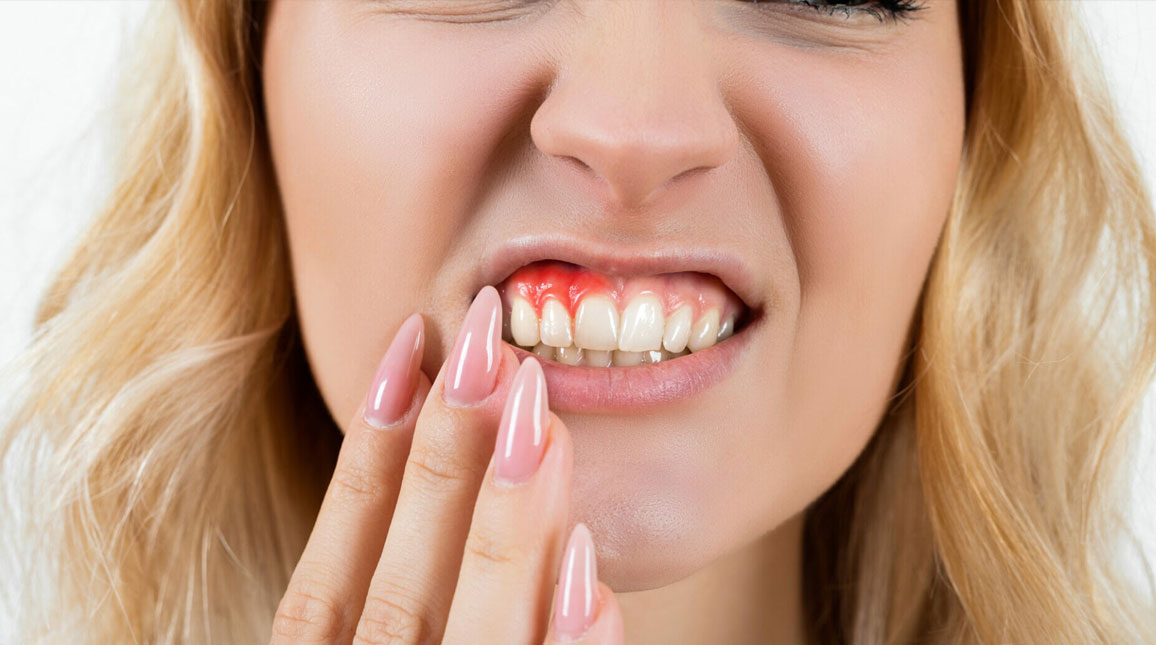
An occasional cheek bite usually heals on its own within a few days. However, repeated cheek biting can cause ongoing pain, swelling, sores, and irritation inside the mouth. Over time, it may even lead to infections or thickened cheek tissue.
Cheek biting can happen for different reasons. Some people experience it because of crooked or misaligned teeth, while others develop it as a stress-related habit. The right dental treatment for cheek biting depends on finding the true cause.+
At Clyde North Dental Studio, we carefully assess both your teeth and your habits to prevent further damage and keep your mouth healthy.
Common Reasons Behind Frequent Cheek Biting
-
Misaligned or Crooked Teeth Causing Accidental Bites
When teeth are crooked or do not line up properly, the cheek can get trapped between them during chewing. This increases the risk of accidental cheek biting, especially during meals. Dental treatment for cheek biting may include correcting the bite or alignment to stop the problem at its source.
-
Stress and Anxiety Leading to Habitual Chewing
Stress and anxiety can cause people to bite their cheeks without noticing. This behaviour often becomes automatic during times of tension, focus, or worry. Over time, this habitual cheek biting can lead to sore spots that struggle to heal.
-
Night-Time Cheek Biting vs. Teeth Grinding (Bruxism)
Cheek biting while sleeping often happens when the jaw moves from side to side during sleep. The cheek may get caught between the teeth, causing painful sores by morning.
Bruxism, or teeth grinding, involves clenching or grinding the teeth together, usually during sleep or stress. While different, both conditions can damage the cheek tissue. A custom night guard is often recommended to protect the teeth and cheeks.
-
Emotional Triggers and Idle Habits
Boredom, nervousness, or deep concentration can cause people to nibble their cheeks during the day. This often happens without conscious awareness and becomes a routine behaviour. Repeated trauma to the same area makes healing slow and uncomfortable.
-
Dental Restorations or Wisdom Tooth Alignment Issues
A high filling, uneven crown, or newly erupted wisdom tooth can push against the cheek. This constant pressure may lead to cheek biting. A dentist can adjust the bite and provide appropriate dental treatment to relieve discomfort.
Different Types of Cheek Biting Explained
-
Accidental Biting
This happens when your teeth and cheeks don’t line up while chewing. It is usually random and happens only once in a while. Accidental biting rarely causes long-term problems or pain.
-
Habitual Biting
Some people develop a cheek biting habit when stressed or focused. The behaviour becomes automatic and hard to notice. Over time, it can create repeated irritation and soreness inside the mouth.
-
Chronic Biting
Causes by repeated bites to the same area of your cheek. Leads to swelling, soreness, or even thickened tissue. Without cheek biting treatment, chewing and speaking are uncomfortable for you.
-
Cheek Biting in Sleep
Cheek biting while sleeping often occurs from side-to-side jaw movement. Bruxism involves heavier grinding or clenching of the teeth. Both worsen your cheek injuries and require night guard or dental treatment.
How Cheek Biting Affects Your Oral Health
-
Pain, Sores, and Mouth Ulcers
Repeated cheek biting irritates the soft tissue inside the mouth. This leads to painful sores or mouth ulcers that can take a long time to heal. Eating and talking may become uncomfortable.
-
Increased Infection Risk
Open wounds on the cheek allow bacteria to enter more easily. This increases the risk of swelling, pain, and infection. Prompt dental care helps protect your oral health.
-
Scarring or Thickened Cheek Tissue
Ongoing trauma can cause the cheek tissue to become thickened or rough. These areas are more likely to be bitten again, making the habit harder to break.
-
Impact on Speech or Eating Comfort
Sore cheeks can affect how you speak and chew. Treating cheek biting early helps restore comfort and normal mouth function.
Treatment Options for Cheek Biting
-
Dental Correction
Invisalign or clear aligners can fix bite issues, causing cheek biting. Your dentist adjusts high fillings or uneven teeth to improve your bite. This prevents your cheek injuries and stops your habit.
-
Protective Mouthguards
Custom night guard creates barrier between your teeth and cheeks. It reduces your cheek biting while sleeping and protects against bruxism. Wearing it consistently prevents sores and cheek damage.
-
Behavioural Therapy
CBT helps you understand and change the cheek biting habit. Mindfulness techniques make you more aware of when the habit starts. This therapy reduces the frequency and intensity of your cheek biting.
-
Stress Management
Managing your stress lessens your tension-related cheek biting. Simple exercises like deep breathing or meditation calm your jaw muscles. It prevents your habits from forming due to anxiety or frustration.
-
Self-Help Tips
Chewing sugar-free gum keeps your mouth busy and helps prevent biting. Awareness training helps spot triggers before your habit starts. These methods make it easier for you to break biting habits.
How Clyde North Dental Studio Can Help You Stop Cheek Biting
-
Dental Examination
Our dentists check your teeth, bite, and mouth to find the cause. Checking misalignment, uneven fillings, or wisdom tooth pressure causing cheek biting. Early dental treatment prevents sores and long-term damage.
-
Custom-fit Night Guards
We create custom night guards to protect your cheeks while you sleep. It reduces cheek biting while sleeping and prevents grinding or clenching. Using night guard is an effective cheek biting treatment for overnight protection.
-
Guidance on Habit-Breaking Techniques
We give you tips and guidance to break your cheek biting habit. We provide daily exercises and training to stop your habit. Dental treatment for cheek biting techniques prevents injuries, pain and discomfort.
Simple Ways to Prevent Future Cheek Biting
-
Manage Stress Effectively
Managing stress makes it easier for you to stop your cheek biting habits. It lessens what triggers like your tension, stress or anxiety. Activities like deep breathing, stretching, or meditation can calm your jaw muscles.
-
Regular Dental Check-ups
Regular check-ups help prevent your cheek biting habit and other oral problems. We check your bite or alignment issues early. Any signs of irritation or sores inside your mouth can be treated immediately.
-
Use of Aligners or Guards if Needed
Aligners or night guards keep your teeth aligned. They protect your cheeks while sleeping and reduce accidental biting. Using these tools is an effective cheek biting treatment when recommended by our dentist.
-
Avoid Chewing Nails, Pens, or Gum Excessively
Avoid chewing hard objects like nails, pens or gum repeatedly. It increases your risk of biting your cheeks accidentally and makes it a habit. It strains and stiffens your jaw muscles, or even worse.
When to See a Dentist About Cheek Biting
-
Persistent Sores or Discomfort
If soreness lasts more than a few days, it needs urgent attention. Cheek biting can cause sores, pain, and swelling. Your dentist checks for underlying bite or tissue problems causing it. Early dental treatment can ease discomfort and prevent further injury.
-
Bleeding or Swelling Inside the Mouth
Ongoing bleeding or swelling signals irritation or injury inside your mouth. It can be caused by your cheek biting habits, crooked or misaligned teeth. If left untreated, these issues can get worse. Clyde North Dental Studio dentists provide prompt care to protect your oral health. This helps lower your risk of infection and complications.
-
Habit continuing for More Than a Few Weeks
If self-care doesn’t stop your cheek biting habit, seek professional help. Your dentist checks and identifies what cause of your habit. We may suggest cheek biting treatment to fix your problem. Addressing it early prevents sores, pain, and long-term tissue damage.
-
Signs of Infection or White Patches
White patches, pus, or severe pain indicate an infection in your mouth. Cheek biting while sleeping or during the day can make these signs even worse. Ignoring it may lead to more serious oral problems. You should see your dentist immediately for proper dental treatment.
FAQs About Cheek Biting
- Is cheek biting a sign of anxiety?
Yes, cheek biting can be a sign that you have anxiety or stress. Some people bite their cheeks without noticing when they feel nervous or bored. It will become your habit over time if not managed and stopped. - Can cheek biting cause long-term damage?Repeated cheek biting can cause sores, swelling, or bleeding inside your mouth. It will thicken your cheek tissue or increase infection risk and long-term damage. Chronic biting can make your chewing and speaking uncomfortable.
- How can a dentist help with cheek biting?
Your dentist checks your bite or misalignment issues that cause your cheek biting. They can provide treatments like custom mouthguards or suggest ways to break your habit. Early dental care helps prevent pain and further damage. - Does cheek biting go away on its own?
Cheek biting heals on its own without any problems. But repetitive or chronic biting needs intervention to stop. Self-care, stress management, or dental treatment can help prevent it from returning.