
This blog explains how much braces usually cost in Australia, and why the price changes from person to person depending on the type of braces chosen, how complicated the alignment is, and how long treatment takes. It also covers metal, ceramic, lingual and clear aligner options, plus practical ways to spread the cost through payment plans or health insurance, so you have a realistic idea of what to expect before booking a consultation.
How Much Do Braces Cost in Australia?
Most people researching braces want a simple number, and that is fair, but orthodontic treatment is priced around each individual case rather than as a single fixed product, because every mouth is different. Full treatment in Australia generally costs between $5,000 and $12,000, with most straightforward cases landing somewhere in the middle, while shorter treatment, such as correcting a few front teeth, usually costs noticeably less.
| Treatment Type | Typical Cost Range (Full Treatment) |
| Metal braces | $6,000 – $9,000 |
| Ceramic braces | $6,500 – $10,000 |
| Lingual braces | $9,500 – $15,000 |
| Clear aligners (full) | $6,000 – $9,000 |
| Clear aligners (limited) | $2,500 – $5,000 |
These figures are only meant to give a general idea, since prices vary between practices and states, so they should never be treated as an exact quote. Two people can receive quotes thousands of dollars apart on the same day, usually because of differences in how much movement is needed, whether extractions are required, and whether retainers and reviews are already included. This is why a personalised plan matters more than an average figure, and a consultation with scans and x-rays gives you a written quote built around your case.
What Factors Affect the Cost of Braces?
Severity of Teeth Alignment Issues
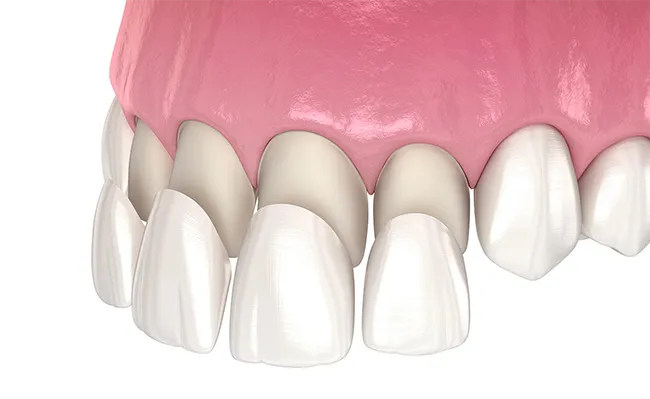
Mild crowding or a single rotated tooth can often be treated with a shorter plan lasting only a few months. Complex cases, such as significant crowding, an overbite, jaw problems, or teeth that have not come through properly, usually need a longer plan, more appointments, and sometimes extractions, so more clinical work means a higher fee.
Type of Orthodontic Treatment
The appliance you choose has the biggest impact on price. Metal braces tend to be the most affordable because the technology is well established, ceramic braces cost more because the brackets are pricier to make and need careful handling, and lingual braces are custom-made for every patient, making them the most expensive. Full clear aligner treatment usually costs a similar amount to fixed braces, while limited aligner treatment for smaller corrections is considerably and costing much less.
Length of Treatment
Most full treatments run between 12 and 24 months, and this duration directly affects the total cost, since longer treatment means more adjustment visits and each one adds to the clinical time involved. Wearing any elastics as instructed and attending every appointment can genuinely shorten your treatment, making it one of the few costs you have some control over.
Technology and Treatment Planning
Digital scans, three-dimensional imaging and simulation software add to a practice’s running costs, but they also reduce uncertainty, since seeing your planned outcome before treatment begins allows early adjustments. Remote monitoring, where you photograph your progress between visits, can also reduce how often you need to come in.
Comparing Different Types of Braces
Metal Braces
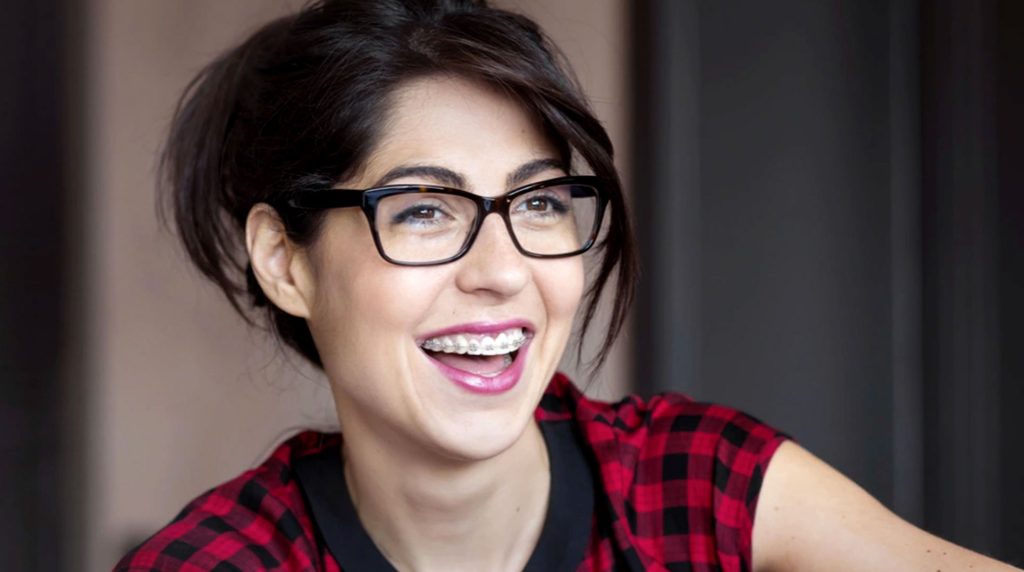
Metal braces use stainless steel brackets and wires on the front of your teeth, and they remain reliable for a wide range of cases, including complex bite corrections, working consistently once fitted since they do not rely on you remembering to wear anything. They are also the most visible option, which is why many younger patients enjoy choosing coloured elastics.
Ceramic Braces
Ceramic braces work the same way as metal braces, except the brackets are tooth-coloured, so they blend in more naturally, making them popular with adults who need fixed braces but prefer something less noticeable in meetings or photographs. The brackets are slightly bulkier and more brittle than metal ones, and the elastic ties can sometimes pick up staining from coffee or tea between appointments.
Lingual Braces
Lingual braces are fixed to the back of your teeth, facing your tongue, so nothing is visible when you smile or speak, which suits patients who want fixed treatment without it being seen, and they are often chosen by adults in client-facing roles. Since every bracket is custom made, your speech may take a short time to adjust, and not every case is suitable for this option.
Clear Aligners
Clear aligners are removable, transparent trays worn for around twenty to twenty-two hours a day and swapped every one to two weeks, and because you can remove them to eat and clean your teeth, hygiene becomes much easier with no food restrictions. The flexibility that makes aligners appealing is also what makes discipline important, since results depend on actually wearing them for the recommended hours, and while they suit mild to moderate cases well, some complex bites still respond better to fixed braces.
Can You Spread the Cost of Braces?
Very few people pay for their entire treatment upfront, and most practices offer payment plans that spread your fee across the period of treatment, often starting with an initial payment followed by monthly instalments timed around your appointments. Several of these plans are interest-free when arranged directly through the practice, though third-party dental finance is also common and worth reading carefully, since it can carry fees or interest.
Private health insurance can help, but only if your extras cover specifically includes orthodontics, so check three things with your insurer beforehand: waiting periods are usually twelve months or longer, benefits are generally paid annually against a separate lifetime limit per person, and this limit is often only a few thousand dollars rather than a percentage of your fee. Medicare does not cover orthodontic treatment for general alignment purposes.
The best time to ask about costs is during your initial consultation, by requesting the total fee in writing, confirming what is included, such as retainers and reviews, and finding out which payment structures are available. Any good practice will genuinely welcome these questions.
How to Choose the Right Orthodontic Treatment
The best starting point is your specific case rather than your personal preference, since some options are simply not clinically suitable for certain bites, which narrows your choices from the outset. From there, consider your lifestyle honestly, because aligners reward patients who can commit to wearing them for over twenty hours a day, while fixed braces keep working whether or not you remember them, and if appearance matters to you, ceramic and lingual braces address this at different price points. Playing contact sport or a wind instrument is also worth mentioning, since it will influence what your orthodontist recommends.
Bring these trade-offs to your dentist rather than deciding alone, since they can explain what each option means for your teeth, roughly how long it will take, and what happens once treatment is complete, noting that every option requires retainers afterwards.
Why Choose Clyde North Dental Studio for Orthodontic Care?
Our approach begins with detailed scans, imaging and an honest conversation about what you would like to change, so every patient receives a written quote built around their own case, and if you have been putting off doing something about crowded teeth, a gap that bothers you, or a bite that feels uneven, it is time to book a consultation with our team, because we provide honest advice and ongoing support throughout treatment so your smile ends up somewhere you are genuinely happy with — book your consultation today or call (03) 9124 3729 and take the first step towards straighter, healthier teeth
Frequently Asked Questions
What is the average cost of braces in Australia?
Full treatment usually costs between $5,000 and $12,000, depending on the appliance chosen and how complex your case is, with metal braces at the more affordable end and lingual braces the most expensive. An examination is really the only way to get an accurate figure for you.
Are braces suitable for adults?
Yes, teeth can be moved successfully at almost any age, provided your gums and supporting bone are healthy enough, and a substantial number of orthodontic patients today are adults rather than teenagers. Treatment can take slightly longer, and existing dental work or gum issues may need attention first.
How long do braces usually stay on?
Most full treatments take 12 to 24 months, although minor corrections can finish sooner and complex bite work can run beyond two years. Once braces or aligners come off, retainers become necessary long term, since teeth naturally drift back without them.
Are clear aligners more expensive than braces?
Not necessarily, since full aligner treatment is usually priced similarly to ceramic braces, while limited aligner treatment for smaller corrections is often the least expensive option overall, and lingual braces remain the most expensive choice. It is always best to compare the quoted fee for your own case.