
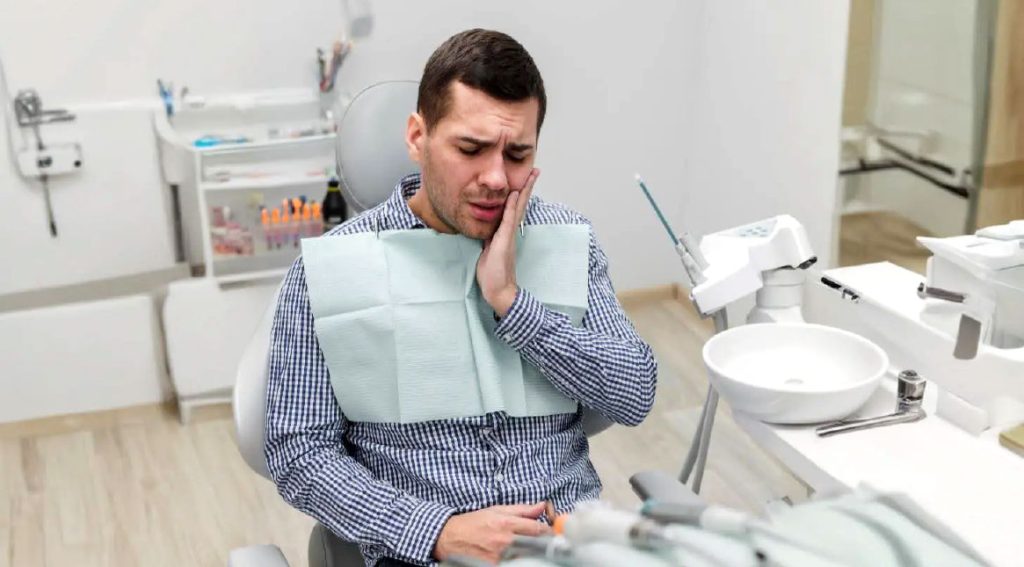
This blog explains how to tell whether a tooth problem is a true dental emergency, what to do at home for a knocked-out tooth, severe toothache, a broken tooth or a lost filling, and when a hospital is safer than a dentist. It also covers why waiting can make problems worse and how to prevent emergencies, so you can act calmly while looking for an emergency dentist in Frankston.
Dental emergencies rarely give any warning, since a tooth that felt fine last week can crack on an olive pit, a sports collision can knock out a front tooth, and an ache that seemed manageable on Thursday can become throbbing pain by Sunday night. Common situations include severe toothache, broken teeth, swelling, bleeding and knocked-out teeth, and some need attention within the hour while others can wait a day or two. If you are searching for an emergency dentist in Frankston, this general guidance will help you decide what to do in the meantime, although it does not replace advice from a dental professional.
How to Know If You Have a Dental Emergency
Signs You Need Urgent Dental Care
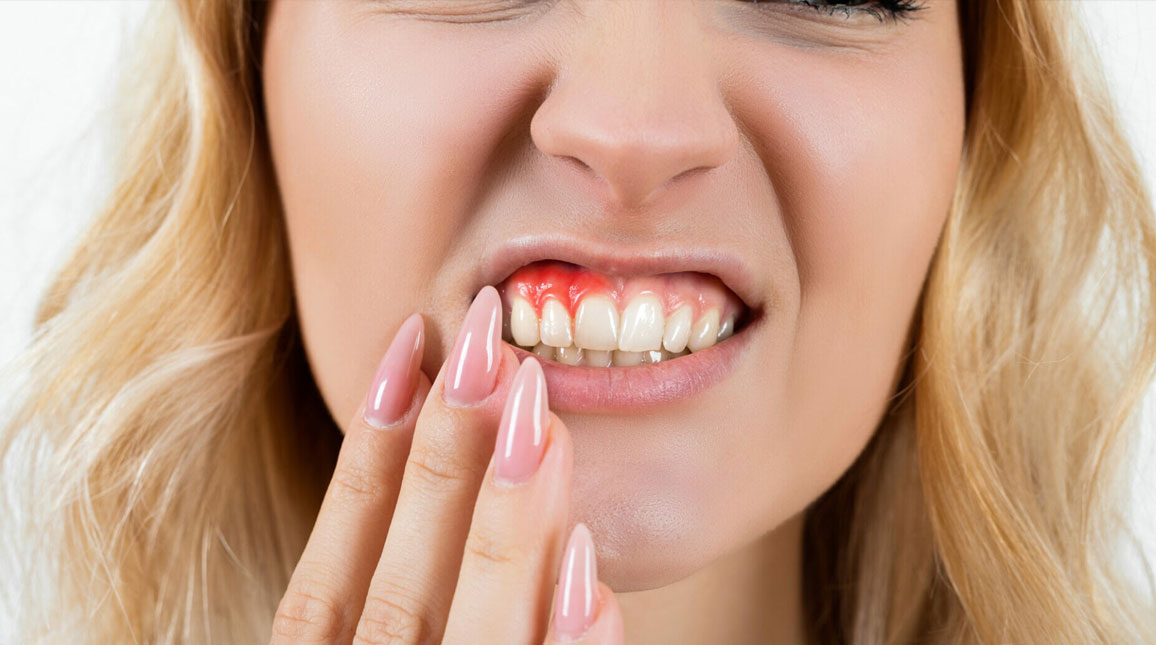
Contact a dentist promptly if you have severe or ongoing tooth pain that keeps you awake or does not ease with over-the-counter pain relief, since this often points to infection inside the tooth. A knocked-out permanent tooth is the most time-sensitive emergency, and a broken or cracked tooth needs attention if it is painful, bleeding or has a sharp edge cutting your tongue or cheek. Swelling of the face or gum should be assessed even when small, because infection can spread, and bleeding that continues after 10 to 15 minutes of firm pressure needs checking too. Signs of an abscess include a bad taste, a pimple-like bump on the gum, a tooth tender to bite on, or swelling with a fever.
Dental Problems That May Not Require Immediate Care
Some problems feel alarming but can usually wait for a routine appointment, such as a small painless chip with no sharp edge, mild sensitivity to cold that settles within seconds, or a loose bracket or poking wire you can cover with orthodontic wax. These still deserve an appointment within days, and if you are unsure, a quick phone call to a dental practice is the safest way to find out.
What to Do Before Seeing an Emergency Dentist in Frankston
-
Knocked-Out Tooth
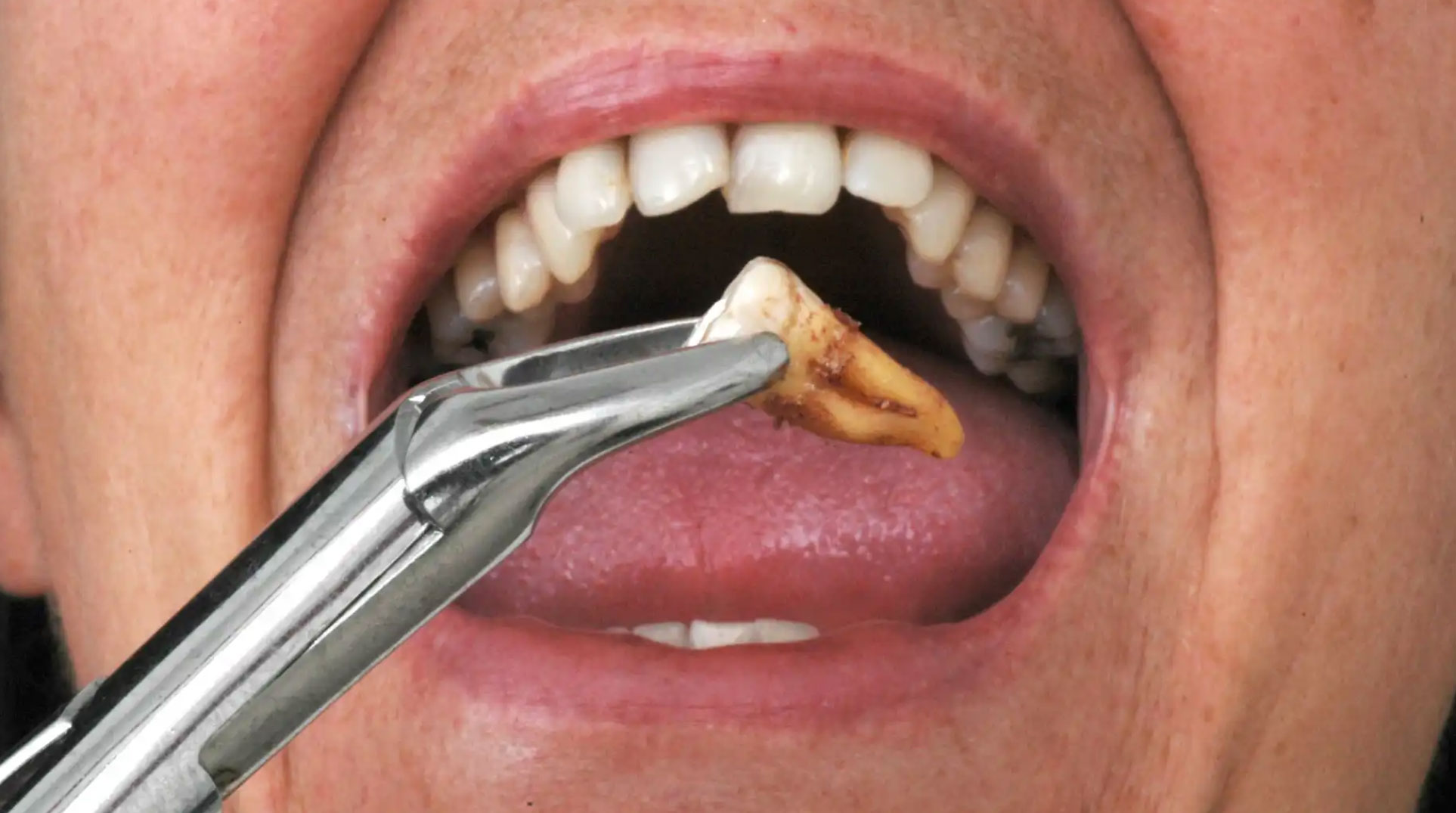
Time matters most here, because the cells on the root that allow a tooth to reattach begin to die once it dries out, so aim to see a dentist as soon as possible, ideally within an hour. Pick the tooth up by the crown, which is the white chewing part, and avoid touching or scrubbing the root. If it is dirty, rinse it briefly in milk, saline or saliva rather than water, then gently place it back into the socket the right way around and bite on a clean cloth, or if that is not possible, keep it moist in milk until you reach the dentist. Never replant a baby tooth, since this can damage the adult tooth developing underneath.
-
Severe Toothache or Dental Abscess
Rinse your mouth gently with warm salty water, clean carefully between your teeth in case trapped food is adding pressure, and hold a cold compress against the outside of your cheek for 15 to 20 minutes at a time. Do not place aspirin or any tablet directly on the tooth or gum, since it can burn the tissue, and instead take pain relief by mouth as directed on the packet, checking with a pharmacist or doctor if you take other medications. Pain relief only buys comfort, so arrange treatment promptly.
-
Broken or Cracked Tooth
Rinse your mouth with warm water and save any broken pieces in milk, since a fragment can sometimes be bonded back on. Avoid chewing on that side, cover any sharp edge with orthodontic wax or sugar-free chewing gum, and contact a dentist, because cracks often grow under chewing pressure.
-
Lost Filling or Crown
Keep the crown clean and dry if you still have it, since it can often be cemented back on, and avoid hard or sticky foods. Temporary dental cement from a pharmacy can help for a day or two, but never use household glue or superglue, since these are not made for the mouth and can damage the tooth and crown. An exposed tooth is more vulnerable to decay and fracture, so a professional assessment is important.
When Should You Go to a Hospital Instead of an Emergency Dentist?
Warning Signs That Need Emergency Medical Care
Call 000 or go to your nearest emergency department if you have:
- Difficulty breathing or swallowing
- Swelling that is spreading quickly across your face or neck
- Swelling that is closing an eye
- Severe facial trauma with confusion, vomiting or loss of consciousness
- A suspected broken jaw, where your teeth no longer meet normally
- Heavy bleeding that will not stop with firm pressure
If something feels badly wrong, trust your instincts and seek help immediately.
Dentist or Hospital? A Quick Guide
| Situation | Where to go |
| Swelling limited to the gum | Dentist |
| Swelling spreading across the face or neck, or with a fever | Hospital emergency, call 000 |
| Difficulty swallowing or breathing | Hospital emergency, call 000 |
| Heavy bleeding that will not stop with firm pressure | Hospital emergency, call 000 |
| Knocked-out permanent tooth | Dentist, as soon as possible |
| Broken or cracked tooth | Dentist |
Why You Should Not Ignore a Dental Emergency in Frankston
Waiting rarely makes a dental problem better, and acting early usually keeps treatment simpler.
- Pain tends to worsen. Pain inside a tooth often gets worse overnight.
- Infection can spread. It can gradually move into the bone and surrounding tissue.
- Cracks deepen over time. A small crack today can become a bigger problem later.
- Quick action helps save teeth. A knocked-out tooth replanted quickly has a better chance of surviving than one left for hours.
- Early treatment is usually smaller. A tooth needing a simple filling today may need a root canal later.
How to Prevent Common Dental Emergencies
-
Keep up regular check-ups.
Most emergencies are problems that were detectable and painless six months earlier. X-rays find decay and cracks before they announce themselves.
-
Brush twice daily and clean between your teeth.
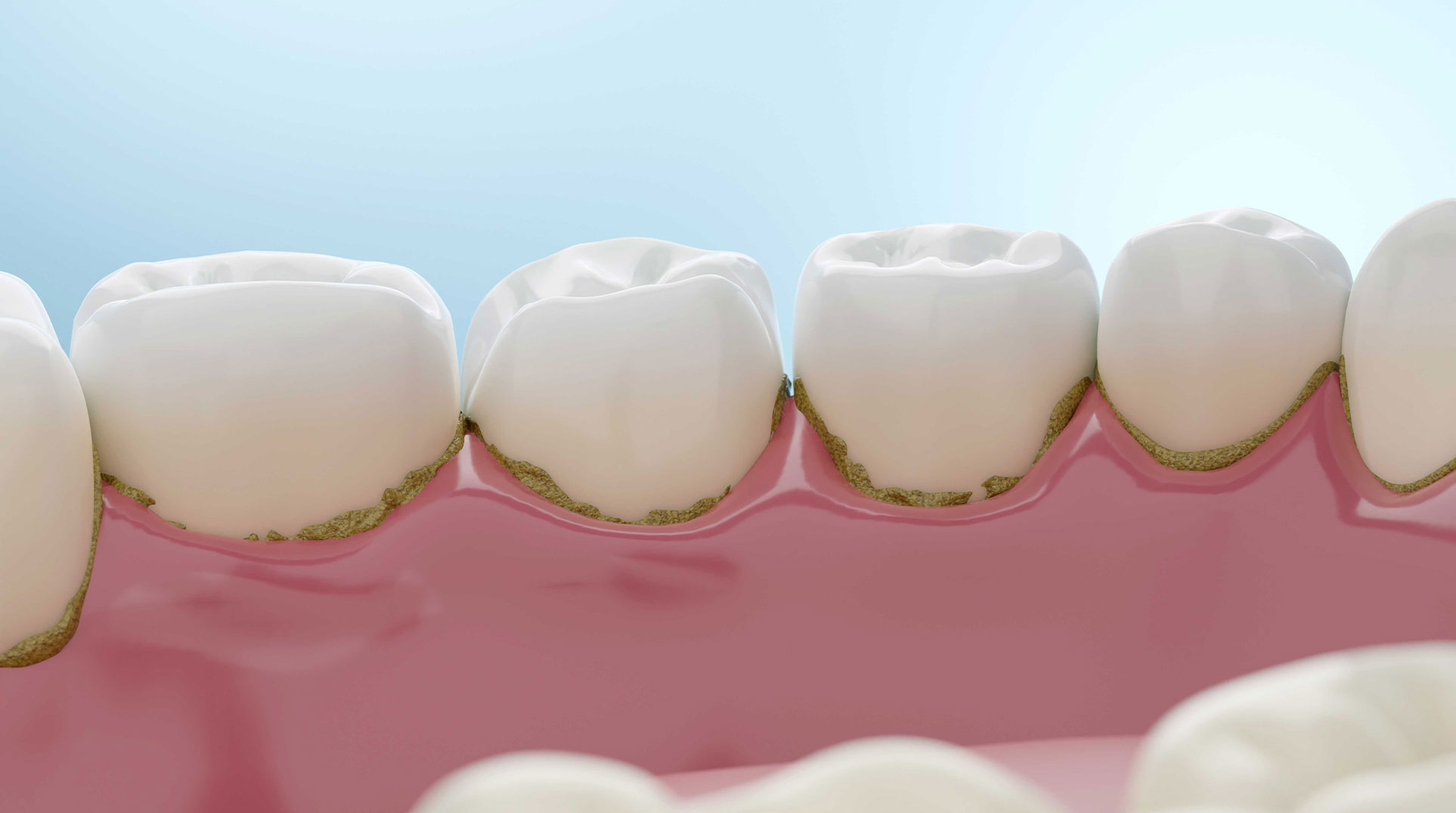
Floss or interdental brushes reach the surfaces where decay and gum infection typically begin.
-
Wear a custom-fitted mouthguard.
for footy, basketball, hockey, netball, boxing and skateboarding. Custom guards fit far better than boil-and-bite versions, which matters because a guard you dislike wearing protects nothing.
-
Stop using teeth as tools.
Ice, popcorn kernels, olive pits, pen lids, fingernails and bottle tops account for a steady stream of cracked cusps.
-
Treat small problems early.
A sensitive tooth, a dull ache on biting or a slightly loose filling is your warning shot.
Why Choose Clyde North Dental Studio for an Emergency Dentist in Frankston?
When you are in pain or have damaged a tooth, you want clear answers and a plan you can trust. The team at Clyde North Dental Studio takes the time to work out what is really causing the problem, which is not always where the pain seems to come from, and explains your options before treatment begins.
- A careful assessment: We examine the tooth, test how it responds to pressure and temperature, and take an X-ray where needed.
- Help with common urgent concerns: This includes severe toothache, abscesses, broken or knocked-out teeth, lost fillings and crowns, and wisdom tooth pain.
- Treatment that matches the problem: Some issues are settled in one visit, while others need the immediate problem calmed first, followed by a longer-term plan.
Please do not wait overnight to see if it settles. If you are in pain, have swelling or have damaged a tooth, call our team on (03) 9124 3729 or book your appointment online, and ask about current availability so you know whether to come in or seek care elsewhere. If you have difficulty breathing or swallowing, call 000 instead.
Conclusion
Dental emergencies reward calm and quick action, since handling a knocked-out tooth correctly may help save it, and rinsing, protecting the area and phoning for an appointment keeps most problems manageable. Waiting to see whether pain or swelling settles by itself is the mistake to avoid, because infections and cracks often need treatment.
If you’re unsure whether your symptoms are urgent, ring a dental practice and describe them that phone call costs nothing. Patients looking for an Emergency Dentist Frankston residents can rely on are welcome to contact Clyde North Dental Studio for assessment and advice, and anyone with difficulty breathing or swallowing should call 000 immediately.