

In short: This guide explains how to look after your child’s teeth from the first baby tooth to the teenage years. It covers when to book the first dental visit, how to brush and eat in ways that protect teeth, which problems to watch for, how to help a nervous child and what to do in a dental emergency, using advice that follows Australian Dental Association guidance, and it shows how Clyde North Dental Studio can support your family.
Children’s mouths change quickly, from a first baby tooth at around six months to a full set of adult teeth by the early teens, so each stage brings new questions. The article below explain the most common concerns in simple language so you know what to do and when to ask for help.
Why Children’s Dental Health Matters From an Early Age
Healthy baby teeth help children chew well, speak clearly, hold space for adult teeth and build brushing habits that often last into adulthood. Early, positive visits to children’s dentistry also help children see the dentist as a normal part of life.
Baby Teeth Are Temporary, But Their Health Still Matters
Some baby teeth stay in place until about age 11 or 12, so decay cannot be ignored just because the teeth will fall out eventually. Untreated decay can cause pain, infection and trouble eating or sleeping, and an infection can affect the adult tooth forming underneath. Losing a baby tooth too early may also let nearby teeth drift, which can lead to crowding later.
When Should Your Child First Visit the Dentist?
The Australian Dental Association recommends a first visit when the first tooth appears or by age one, whichever comes first, so there is no need to wait for all the baby teeth to come through. At this visit the dentist can check how the teeth are developing, look for early decay and offer practical advice.
What Happens During a Child’s First Dental Visit?
The visit is usually short and relaxed, and your child can often sit on your lap while the team gently checks the teeth and gums, looks at how the teeth are coming through, and talks with you about brushing, diet and fluoride. You are welcome to ask any questions, and the main aim is to help your child feel comfortable and familiar with the clinic.
Children’s Dental Care at Different Ages
-
Babies and Toddlers
Start brushing when the first tooth appears, using a small, soft brush and plain water until about 18 months, then a pea-sized amount of low-fluoride children’s toothpaste. A chilled (not frozen) teething ring can soothe sore gums, but amber necklaces are a choking risk and are best avoided. It also helps to avoid putting babies to bed with a bottle of milk or juice and to limit sugary drinks and snacks.
-
Preschool and School-Aged Children
Children often want to brush alone, but they usually need an adult to help and supervise until about age eight. From around age six, when the first adult molars arrive behind the baby teeth, most children can switch to regular fluoride toothpaste, and your dentist can explain fissure sealants, which are thin protective coatings placed on back teeth.
-
Teenagers
Teenagers often rush their brushing, and braces can trap food, so careful cleaning around the brackets and wires is important. Soft drinks, energy drinks and constant snacking raise the risk of decay, wisdom teeth usually appear between ages 17 and 25, and a custom-fitted mouthguard is important for anyone playing contact sport.
How to Keep Your Child’s Teeth Healthy at Home
-
Make Brushing Part of the Daily Routine
Brush twice a day for two minutes with toothpaste suited to your child’s age, and ask them to spit without rinsing so the fluoride keeps working on the teeth. A favourite song or a timer can help younger children brush for the full time instead of rushing.
-
Clean Between the Teeth
A toothbrush cannot reach the tight gaps between teeth, which is where decay often starts, so you can begin flossing once two teeth touch each other. Most children can manage this on their own by about age eight to ten.
-
Build Healthy Eating and Drinking Habits
Each time your child has something sugary, bacteria in the mouth make acid that attacks the teeth for around 20 to 30 minutes, so constant snacking keeps the teeth under attack. Try to keep sweet foods to mealtimes, limit juice, cordial and soft drinks, and make water the main drink, ideally fluoridated tap water, which is supplied in Melbourne.
Common Dental Problems in Children Parents Should Know About
-
Tooth Decay and Cavities
Look for chalky white spots near the gums, brown or black patches, or pain when eating sweet foods. Very early decay can sometimes be slowed or reversed with fluoride, so it is worth booking a check-up promptly.
-
Toothache and Dental Sensitivity
Pain can come from decay, a cracked tooth, trapped food or a new tooth coming through, so please see a dentist if the pain keeps returning, wakes your child at night or comes with swelling.
-
Early or Delayed Tooth Loss
Baby teeth usually start falling out around age six and are mostly gone by about age twelve, so it is worth seeking advice if a tooth is lost early without an injury or if an adult tooth appears behind a baby tooth that has not loosened.
-
Chipped, Cracked or Injured Teeth
Falls and sport cause most tooth injuries, and any broken, loose or displaced tooth should be seen by a dentist on the same day, so the emergency steps below explain what to do first.
How to Help a Child Who Is Nervous About the Dentist
Dental nerves can come from unfamiliar sounds, a past bad experience or even a parent’s own worries, so it helps to use positive words such as “counting your teeth”, to avoid scary words like “needle” or “drill”, to read a dentist book or play pretend dentist at home, and to let your child ask questions.
Creating a Positive Dental Experience
Start with simple check-ups before any treatment is needed, praise your child’s effort instead of forcing cooperation, and keep visits regular so the clinic feels familiar. It also helps to book a time when your child is rested, bring a favourite comfort toy, never use the dentist as a threat, and tell the team about any past worries so they can adjust their approach.
Preventive Dental Care for Children
Prevention helps find problems early, when treatment is usually simpler, and depending on your child’s risk of decay it may include:
- Check-ups every 6 to 12 months
- Professional cleaning where needed
- Fluoride varnish for children at higher risk of decay
- Fissure sealants on adult molars, often around ages 6 and 12
- Monitoring of tooth development and early checks for bite concerns
Regular visits are better than waiting for pain, because decay is often advanced by the time a toothache starts. Eligible families may be able to claim some services through Medicare’s Child Dental Benefits Schedule, so please check the current rules on the Services Australia website.
What Should Parents Do During a Dental Emergency?
Dental injuries often happen during sport, play or falls, so contact a dentist promptly after any significant knock to the mouth, and if your child also hit their head, watch for drowsiness, vomiting or confusion and seek medical care if you notice them.
-
If a Child Chips or Breaks a Tooth
Keep your child calm, store any broken piece in milk, avoid chewing on that side and call your dentist for advice.
-
If a Child Has a Knocked-Out Tooth
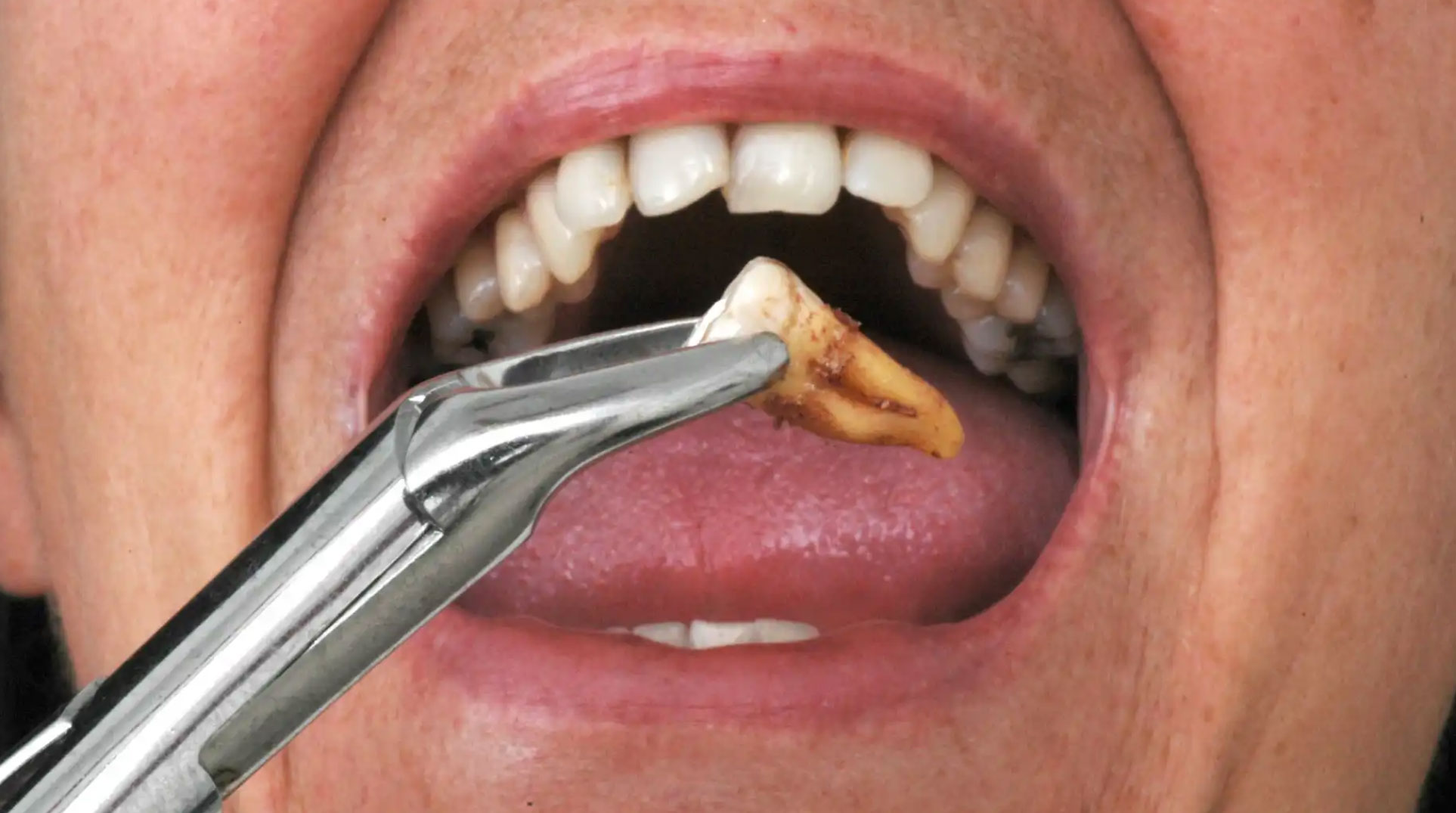
For a baby tooth, do not put it back, because this can damage the adult tooth underneath, but do see a dentist to check for other injuries. For a permanent tooth, hold it by the crown, rinse it briefly in milk if it is dirty, gently push it back into the socket and have your child bite on a clean cloth. If you cannot replant it, or you are unsure whether it is a baby or adult tooth, keep it in milk and see a dentist immediately, ideally within 30 minutes.
-
If a Child Develops Severe Toothache or Swelling
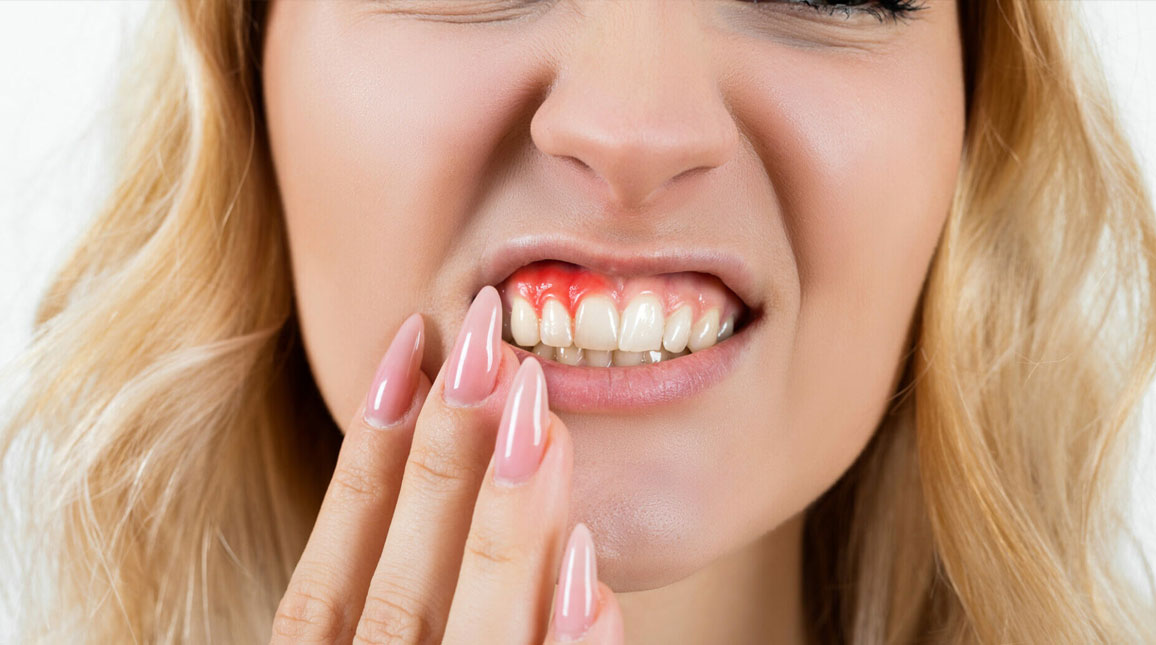
Strong pain, a gum boil, fever or facial swelling can signal an infection, so see a dentist promptly. Call 000 or go to a hospital emergency department if the swelling spreads towards the eye or neck, or if breathing or swallowing becomes difficult.
Children’s Dental Care at Clyde North Dental Studio
At Clyde North Dental Studio, we support local families with check-ups and professional cleans, and we explain each step in simple language so children feel comfortable. It is worth booking a visit if your child has ongoing pain or sensitivity, spots on the teeth, a chipped or loose tooth, or bleeding gums, or if they have never seen a dentist before.
Dr. Rekha Singh and the team at Clyde North Dental Studio can check your child’s developing teeth, explain any concerns and recommend the right care for their age and needs, with flexible, interest-free payment plans available to make treatment easier to manage. Book your appointment today or call (03) 9124 3729 to take the first step towards protecting your child’s smile.
Conclusion: Building Healthy Dental Habits From Childhood
Brushing, balanced eating, preventive care and regular visits give your child a strong foundation, and baby teeth still need proper care even though they are temporary. Please seek advice if your child has pain, swelling, tooth damage or unusual changes, and contact Clyde North Dental Studio to book a check-up.