

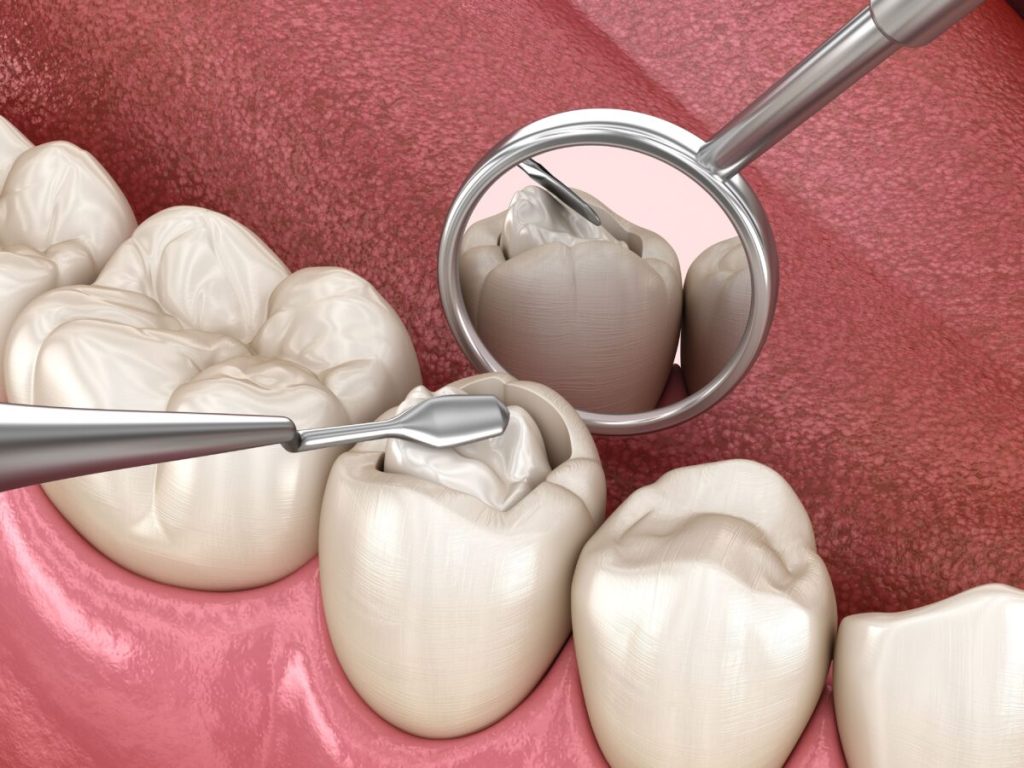
Imagine biting into your favourite food and suddenly feeling a sharp pain in your tooth. That pain is often a sign of tooth decay. The good news is that dental fillings can fix this problem quickly and protect your tooth from further damage.
Dental fillings repair teeth that have been damaged by decay, cracks, or wear. They act like a protective patch that seals the tooth and stops bacteria from spreading. This helps prevent pain, infection, and more serious dental problems later on.
In this blog, we explain dental fillings in simple terms, including the different types available, their benefits, what happens during the procedure, and how to care for your tooth afterwards. Understanding your options makes it easier to choose the right filling with your dentist.
What Are Dental Fillings?
Dental fillings are materials used by dentists to repair teeth that have been damaged by cavities, chips, or small cracks. When part of a tooth is weakened, a filling restores its shape, strength, and function so you can chew and smile comfortably again.
Cavities form when plaque builds up on teeth. Plaque is a sticky layer made from food particles and bacteria. The bacteria produce acid that slowly wears away the tooth enamel. Over time, this creates holes or weak spots in the tooth.
A dental filling seals these damaged areas, stopping decay from spreading deeper into the tooth. Without treatment, cavities can lead to pain, infection, or even tooth loss, which is why early treatment is so important.
When Do You Need a Dental Filling?
You may need a dental filling if your tooth has decay or physical damage. Some signs are easy to notice, while others can only be found during a dental check-up.
Common signs you may need a filling include tooth sensitivity to hot, cold, sweet, or acidic foods and drinks. Pain when chewing or biting can also indicate a cavity or crack. You might notice visible holes, dark spots, or rough edges on your teeth.
A chipped or cracked tooth from injury or wear may also need a filling. Ongoing toothache, even without eating or drinking, is another warning sign. Treating cavities early helps prevent infections, root canal treatment, or tooth loss.
Types of Dental Fillings
Composite Resin Fillings
Composite resin fillings are tooth-coloured and blend in with your natural teeth. This makes them a popular choice for front teeth or visible areas of the mouth.
The dentist places the soft resin into the cavity and shapes it carefully. A special blue light is then used to harden the material and bond it securely to the tooth. Composite fillings look natural and provide good strength for everyday use.
Amalgam Fillings
Amalgam fillings are made from a mixture of metals and appear silver or grey. They are very strong and can handle heavy chewing, which makes them suitable for back teeth like molars.
Although they are less commonly used today due to their appearance, amalgam fillings are long-lasting and reliable. They are still an effective option when strength is more important than appearance.
Ceramic (Porcelain) Fillings
Ceramic fillings are made from high-quality porcelain and are custom-made to match the colour of your teeth. They are durable, stain-resistant, and look very natural.
These fillings are often used for larger restorations such as inlays or onlays. Ceramic fillings are bonded strongly to the tooth and help protect more of the natural tooth structure.
Glass Ionomer Fillings
Glass ionomer fillings are made from a mix of glass powder and acid. One of their biggest benefits is that they release fluoride, which helps protect the tooth from further decay.
These fillings are commonly used for children, near the gumline, or in areas with a higher risk of cavities. While they are not as strong as other filling types, they are gentle and helpful for protecting vulnerable teeth.
Benefits of Dental Fillings
Restores Tooth Function
A filling rebuilds the missing part of your tooth. This lets you bite, chew, and talk normally without food getting stuck.
Prevents Decay From Spreading
By sealing the cavity tightly, it stops bacteria and acids from spreading. This helps avoid pain or infections later on.
Strengthens Damaged Teeth
The filling material bonds to your tooth. This makes it stronger against cracks or wear from daily chewing.
Improves Comfort While Chewing
Fillings remove sharp pains and sensitivity. You can enjoy eating your favourite foods or snacks easily and comfortably.
Aesthetic Improvements
Composite or ceramic fillings match your real teeth. This improves your smile beautifully, looking natural and boosts your confidence.
Protects Long-term Oral Health
Fillings stop early decay from spreading. They reduce risks of root canals, abscesses, or tooth loss, keeping your mouth healthy.
What to Expect During the Dental Filling Procedure
Step 1: Numbing the Area
The dentist starts by numbing the area around the tooth using a local anaesthetic. This keeps you comfortable and prevents pain during the procedure.
Step 2: Removing Decay
Next, the decayed or damaged part of the tooth is gently removed using dental tools, leaving behind healthy tooth structure.
Step 3: Cleaning and Preparing
The area is then cleaned and prepared so the filling can bond properly. This helps the filling fit securely and last longer.
Step 4: Placing the Filling
The filling material is carefully placed into the tooth and shaped. For composite fillings, a blue light is used to harden each layer.
Step 5: Shaping and Polishing
Finally, the filling is adjusted and polished so it feels smooth and comfortable when you bite.
Does a Dental Filling Hurt?
Dental fillings do not hurt during the procedure because the area is numbed with local anaesthesia. You may feel some pressure or vibration, but this is not painful.
After the treatment, mild sensitivity is normal as the numbness wears off. This usually settles within a few days. If discomfort lasts longer than expected, it’s important to contact your dentist for advice.
Aftercare and Recovery Tips
After a dental filling, your tooth may feel sensitive to hot or cold foods for a short time. This is normal and usually improves within a few days.
Avoid hard, sticky, or very hot foods for the first 24–48 hours. Chew gently and let your dentist know if your bite feels uneven so it can be adjusted.
Contact your dentist if you notice ongoing pain, swelling, or if the filling feels loose. Using a desensitising toothpaste can also help reduce sensitivity. Good oral hygiene and regular dental visits will help your filling last longer.
How Long Do Dental Fillings Last?
The lifespan of a dental filling depends on the material used and how well you care for your teeth. Composite fillings usually last 5–10 years, while amalgam and ceramic fillings can last 10–15 years or longer.
Good oral hygiene, avoiding hard foods, and wearing a mouthguard if you grind your teeth can help extend the life of your filling. Regular dental check-ups allow your dentist to monitor wear and fix small issues early.
Dental Fillings at Clyde North Dental Studio
At Clyde North Dental Studio, our experienced dentists provide gentle and personalised care. We use modern technology and high-quality materials to ensure your fillings are comfortable, natural-looking, and long-lasting.
We take the time to explain your options and help you choose the best filling for your needs. Book an appointment today for expert advice and friendly dental care.
Conclusion
Dental fillings play an important role in stopping tooth decay and protecting your oral health. Treating cavities early helps prevent pain, infection, and more serious dental problems.
Choosing the right type of filling improves comfort, strength, and appearance. Regular dental check-ups and prompt treatment are the best ways to keep your teeth healthy for life.
Frequently Asked Questions
Which type of dental filling is best for me?
The best filling depends on how severe your cavity is and your bite strength. Ask our dentist what fits for your smile.
How do I know if I need a filling or a crown?
Small to medium cavities usually need fillings. Larger or weaker teeth may need a crown.
Are tooth-coloured fillings as strong as metal fillings?
Composite fillings are strong and suitable for most areas, while metal fillings are stronger for heavy chewing.
How can I prevent cavities in the future?
Brush twice daily, floss regularly, limit sugary foods, and visit your dentist every six months.