
Have you ever wondered what’s really going on inside your tooth when a dentist says you have a “cavity”? It’s more than just a little hole. A cavity is like a tiny, sneaky invasion that happens in stages. Understanding tooth cavity stages is the key to stopping it before it gets worse.
Imagine your tooth is a super-strong castle. The outside is the hard wall, and inside are important rooms. Cavities are like little cracks that start on the outside and slowly work their way in.
This blog post will be your guide to understanding these stages, from the very first signs to the more serious problems. We’ll break it down into easy steps, so you know what’s happening and, most importantly, what you can do about it.
What Is a Tooth Cavity?
First things first, let’s get a clear picture of what a cavity is. A cavity, also known as dental caries, is permanent damage to the hard surface of your teeth, forming tiny holes or openings. This happens because of a mix of things: bacteria in your mouth, sugary foods and drinks, and poor brushing habits.
When you eat and drink, especially sugary things, the bacteria in your mouth get to work. They eat the sugar and create an acid. This acid is the main culprit. It starts to wear away at the hard outer layer of your tooth. Over time, this wearing away creates a small hole. It’s a slow process, which is why you might not even notice it until it’s a bigger problem.
Tooth Cavity Stages:
Stage 1: Initial Demineralisation of Tooth Enamel
This is the very, very beginning of a cavity. At this stage, your tooth isn’t even a little bit soft yet. Think of it as the early warning sign, a tiny crack in the castle wall that you can only see up close.
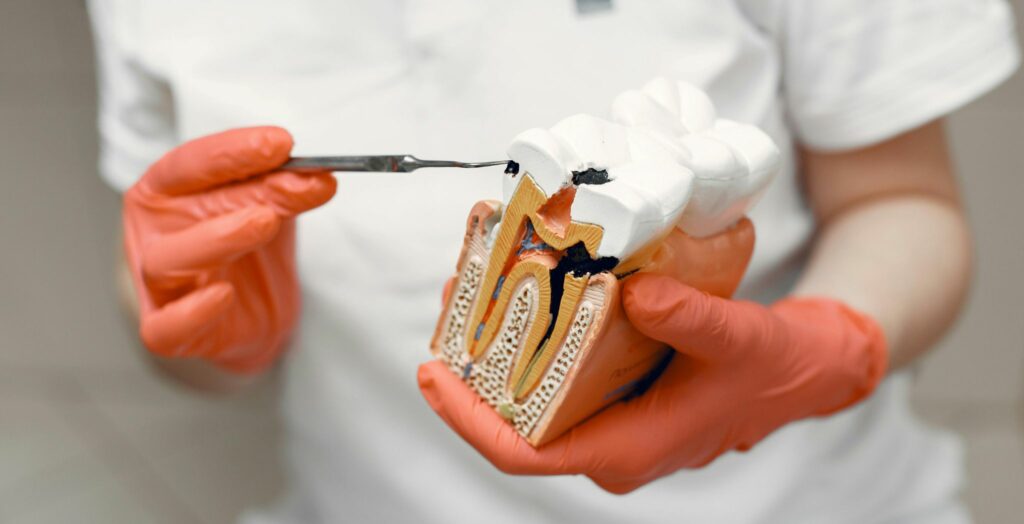
Your tooth’s outer layer is called enamel. It’s the hardest substance in your body, even tougher than bone. The acid produced by bacteria starts to “demineralise” this enamel. This means it’s pulling out the tiny minerals, like calcium and phosphate, that make the enamel so strong.
What does this look like? You might see a small, chalky white spot on your tooth. It’s not a hole yet, just a change in colour. This stage is fantastic because it’s completely reversible! With good brushing, flossing, and a little help from fluoride toothpaste, you can actually repair this damage and prevent a cavity from forming.
Stage 2: Enamel Decay
If the demineralisation from Stage 1 isn’t stopped, the problem gets bigger. The white spot on your tooth will start to turn a light brown. The enamel is now actually beginning to break down. The little crack in the castle wall is getting wider and deeper.
At this point, the damage is no longer just a surface problem. The enamel is now weaker and more porous. It’s starting to form a tiny hole. You may not feel any pain or sensitivity, which is why regular check-ups with a dentist are so important. They can spot these early signs that you might miss.
To fix this, a dentist recommends a simple filling. A filling is like a patch that repairs the hole and protects the rest of the tooth from further decay.
Stage 3: Dentin Decay
This is where the cavity gets a bit more serious. The tiny hole has now completely broken through the hard enamel and has reached the next layer of your tooth: the dentin.
Dentin is the layer just under the enamel. It’s not as hard as enamel, and it’s full of tiny tubes that lead to the nerves of your tooth. This is why you might feel something at this stage. You might feel a sharp, quick pain when you eat something sweet, hot, or cold. The little crack has now reached the second, more sensitive layer of the castle.
Because dentin is softer than enamel, the decay can spread much faster here. It’s as if the bacteria have discovered a superhighway directly into your tooth. At this stage, a filling is still the most common and effective treatment.
Stage 4: Pulp Involvement
Now we’re in the deep end. The decay has chewed its way through the enamel and dentin and has now reached the very centre of the tooth, the pulp.
The pulp is the innermost part of your tooth. It contains nerves and blood vessels. When the bacteria and decay reach this area, it can cause a lot of pain. This isn’t just a quick twinge of sensitivity anymore. It can be a constant, throbbing pain that keeps you up at night. The pulp is now inflamed and infected.
At this stage, a simple filling won’t be enough. The dentist will need to perform a root canal. A root canal is a procedure where the infected pulp is removed, the inside of the tooth is cleaned and disinfected, and then it’s sealed up. After a root canal, the tooth will need a crown to protect it from breaking. This is a more complex and time-consuming procedure than a filling, but it saves the tooth from being lost entirely.
Stage 5: Abscess Formation
This is the most severe and dangerous stage of a cavity. If the pulp infection isn’t treated, it can spread from the tooth’s root to the tip of the root and into the jawbone. This creates a pocket of pus, called an abscess.
An abscess is a serious infection. It can cause swelling in your face, a high temperature, and a lot of pain. It’s not just a tooth problem anymore; it’s a health problem that can affect your whole body. An abscess can even be life-threatening if the infection spreads.
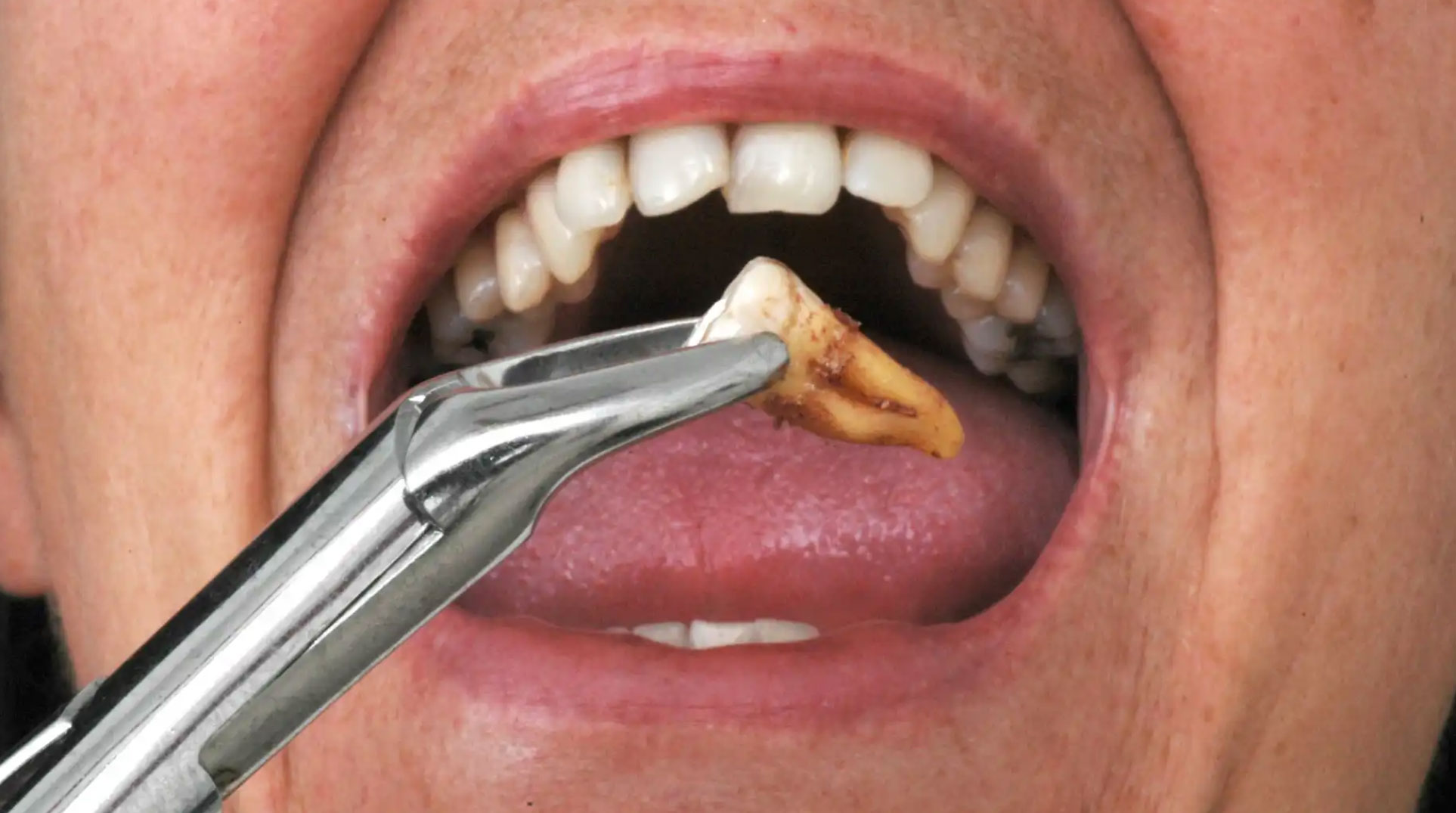
At this stage, the treatment options are limited. The dentist will need to drain the abscess and treat the infection with antibiotics. The tooth itself might not be able to be saved, and a tooth extraction (pulling the tooth out) may be necessary. This is the last resort, and it’s what every dentist tries to avoid.
How to Prevent Cavities from Progressing
The best way to deal with cavities is not to get them in the first place or to catch them in the early stages. Here are some simple, but super important, tips:
- Brush Twice a Day: Use a fluoride toothpaste and brush for at least two minutes, morning and night. This is your first line of defence against the acid-producing bacteria.
- Floss Once a Day: Brushing can’t reach all the tight spaces between your teeth. Flossing removes the food particles and plaque that get stuck there.
- Watch What You Eat and Drink: Cut down on sugary snacks, soft drinks, and juices. If you do have them, try to rinse your mouth with water afterwards.
- Use Fluoride: Fluoride helps to remineralise your enamel, which is what we talked about in Stage 1. Fluoride toothpaste and mouthwash are great for this. The dentist might also recommend a fluoride treatment if you’re at high risk for cavities.
- Regular Dental Check-ups: This is the most important part. A dentist can spot a cavity in Stage 1 or 2 before you even feel anything. Finding a good local dentist, like dentist Clyde North, and seeing them regularly is a game-changer. They can clean your teeth thoroughly and apply protective treatments.
How to Treat Cavities at Each Stage
- Stage 1 (Initial Demineralisation): This stage is reversible! Good brushing and flossing, using fluoride toothpaste, and maybe a fluoride treatment from the dentist can help your tooth heal itself.
- Stage 2 (Enamel Decay): A simple filling is the most common treatment. The dentist will clean out the decayed part and fill the hole with a material like composite resin.
- Stage 3 (Dentin Decay): A filling remains the best option, although it may be more complex due to the larger hole.
- Stage 4 (Pulp Involvement): A root canal is necessary to save the tooth. After the root canal, a crown is placed over the tooth to protect it.
- Stage 5 (Abscess Formation): The dentist will need to drain the abscess and give you antibiotics. In many cases, the tooth will need to be extracted.
When to See a Dentist
The short answer? Regularly! It’s recommended to see the dentist every six months for a check-up and a cleaning.
However, you should see a dentist immediately if you experience any of these symptoms:
- Toothache that doesn’t go away.
- Sudden sensitivity to hot or cold foods.
- Pain when biting down.
- Visible holes or pits in your teeth.
- Swelling around a tooth or in your jaw.
A dentist like dentist Clyde North or dentist Cranbourne can help you with any of these problems. Don’t wait until the pain is unbearable.
Conclusion
Understanding the stages of a cavity is not about scaring you; it’s about empowering you. You now know that a cavity doesn’t happen overnight. It’s a gradual process that you can prevent or stop at every stage.
The key takeaways are simple: good daily hygiene, a healthy diet, and most importantly, regular visits to the dentist. Don’t wait for a toothache to be your wake-up call. Take charge of your dental health today.
If you haven’t been to the dentist in a while, now is the best time to book an appointment. A quick check-up can save you from a lot of pain, time, and money down the track.
Your teeth will thank you!