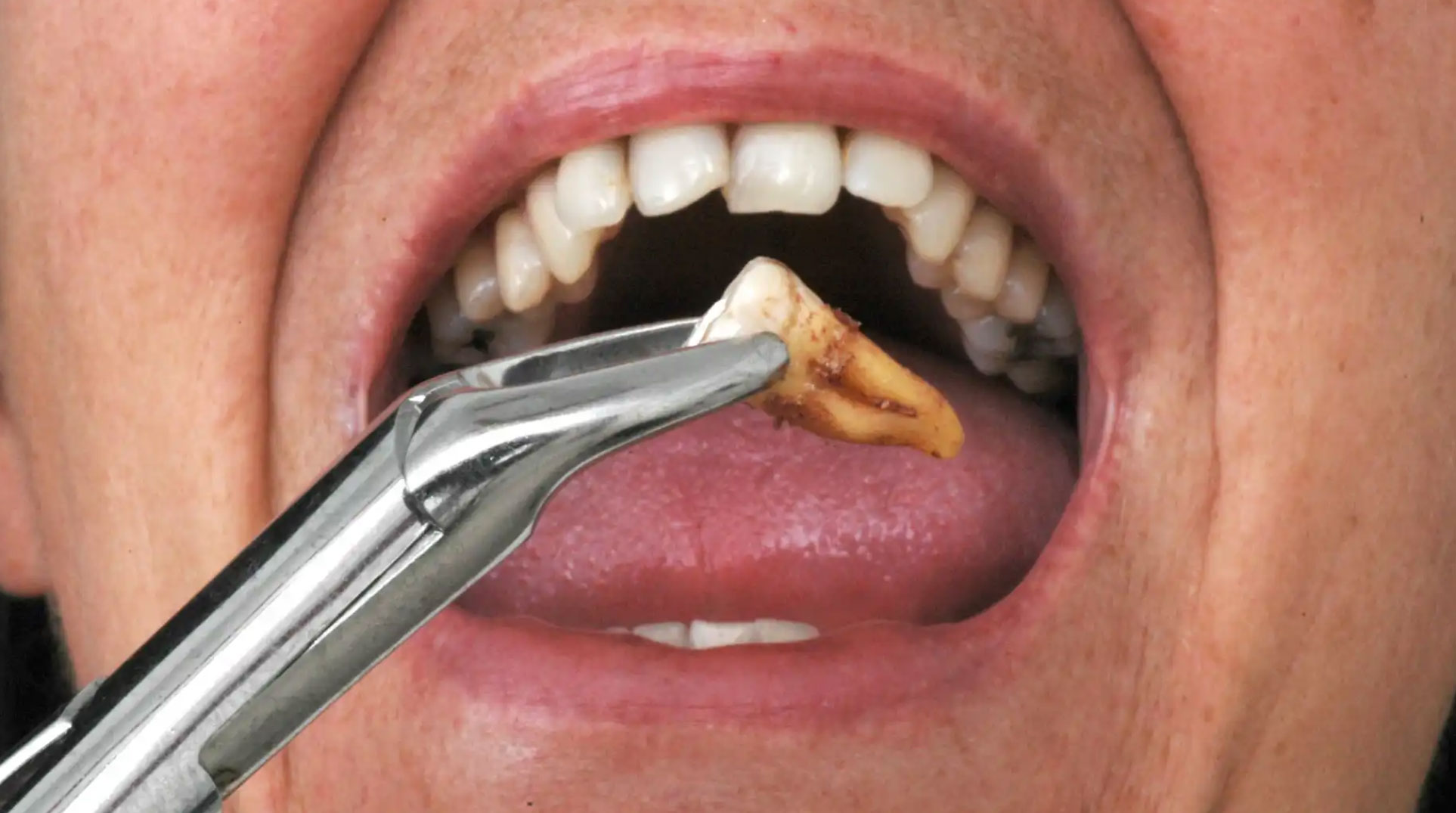


If you’ve ever had a toothache that just won’t go away, you might have heard the term “root canal.” It can sound a bit scary, but it’s actually a very common procedure that can save a damaged tooth. One of the first questions people ask is, “How long does a root canal take?”
The simple answer is that it varies. Most of the time, it’s a quick procedure, but sometimes it can take a bit longer. In this article, we’ll break down everything you need to know about the duration of a root canal, from the first appointment to the recovery period. We’ll also bust some myths and give you some handy tips to make the whole process easier.
How Long Does a Root Canal Take? Key Factors Explained
There’s no one-size-fits-all answer for how long a root canal takes because several things can influence the timeline. Thinking of it like a road trip, some trips are a straight shot, while others have a few twists and turns. Here are the main things that can affect how long your procedure will be:
1. The Tooth’s Location and Complexity
- Front Teeth (Incisors and Canines): These teeth usually have only one or two root canals, making the procedure quicker. They’re like the easy-to-get-to destinations on a map.
- Premolars: These are the teeth right behind your canines. They can have one or two root canals, so the time can vary.
- Molars (Back Teeth): These are the biggest and most complex teeth in your mouth. They often have three or more root canals, which can be curved or have extra branches. This makes the procedure longer and more intricate. It’s like navigating a tricky maze!
2. The Severity of the Infection
If the infection inside your tooth is severe or has been present for a long time, it may take the dentist longer to clean it out thoroughly. The dentist needs to be very thorough to ensure all bacteria are eliminated.
3. The Condition of the Tooth
- Calcification: Sometimes, the root canals can become narrow or blocked with a hard substance called calcification. If this happens, it can be more challenging for the dentist to get to the root of the problem and can add time to the procedure.
- Existing Crowns or Fillings: If you already have a crown or a large filling on the tooth, the dentist might need to spend extra time carefully working around it.
4. The Dentist’s Experience and Equipment
An experienced dentist, such as dentist Cranbourne, who uses modern technology, like special microscopes and digital X-rays, can often complete the procedure more efficiently.
Typical Root Canal Timeline (First and Second Appointments)
Most root canal treatments are completed in one or two appointments.
One-Appointment Root Canal
For straightforward cases, like a single-rooted front tooth with a simple infection, the entire procedure can often be done in a single visit. This can take anywhere from 30 to 90 minutes. This is the ideal scenario for most people!
Two-Appointment Root Canal
Many root canals, especially on molars or teeth with more complex infections, are done over two appointments.
- First Appointment (The Cleaning): This visit focuses on cleaning out the infected pulp and shaping the canals. This appointment is often the longest one, typically lasting 60 to 90 minutes or even up to two hours for a very complicated molar.
- During this visit, the dentist will numb the area, drill a small hole in the top of the tooth, and use tiny files to remove the infected pulp.
- They’ll then clean the canals with a special antiseptic solution.
- Finally, they’ll place a temporary filling to protect the tooth between appointments.
- Second Appointment (The Filling): This visit is usually shorter, taking about 30 to 60 minutes.
- The dentist will remove the temporary filling.
- They will then fill the cleaned-out root canals with a rubber-like material called gutta-percha.
- A permanent filling or a crown will be placed on top to seal the tooth and restore its function.
Splitting the procedure into two appointments allows the dentist to ensure the infection is completely gone before sealing the tooth permanently.
What to Expect During the Root Canal Procedure
Knowing what to expect can help ease any anxiety you might have. The whole process is much like a regular filling, but it takes a bit longer.
1. Getting Numb: The dentist will start by giving you a local anesthetic (a numbing injection) to ensure you don’t feel any pain. This is the most important part!
2. Setting Up: The dentist will place a rubber sheet called a “dental dam” around the tooth. This keeps the area clean and dry, protecting the rest of your mouth.
3. Accessing the Pulp: A small opening is made in the top of the tooth.
4. The Cleaning Process: Using tiny instruments, the dentist will carefully clean out the infected pulp from the inside of the tooth. They’ll also use a special liquid to flush out any bacteria.
5. Sealing the Tooth: Once the canals are clean and dry, they are filled with a special material to prevent future infections.
6. The Final Restoration: Depending on the case, a permanent filling or a dental crown is placed on top of the tooth to protect it and restore its strength. If a crown is needed, this is often done at a separate appointment.
How Long Does the Recovery Process Take After a Root Canal?
The good news is that the recovery time for a root canal is usually very quick.
- Immediately After: You might feel a little bit numb for a few hours due to the anesthetic.
- The Next Few Days: It’s normal to feel some mild discomfort or sensitivity in the area for a day or two. This is because the surrounding tissues are a bit inflamed from the procedure. Over-the-counter pain relievers like ibuprofen can help a lot.
- Back to Normal: Most people can go back to their normal routine, including eating and working, the very next day. The full recovery of the tooth and the surrounding gum tissue usually takes a few weeks.
Remember, if you’re a patient of a local dentist in Cranbourne or a dentist Clyde North, like Clyde North Dental Studio, we will provide specific aftercare instructions tailored to your situation.
Common Myths About Root Canal Duration
Let’s clear up some common misunderstandings about root canals.
Myth 1: A root canal is a long and painful process.
Fact: With modern anesthetics, a root canal is no more uncomfortable than getting a large filling. The procedure itself is not painful. Any discomfort you might feel afterwards is manageable and short-lived.
Myth 2: The procedure takes hours and hours.
Fact: While it can take longer than a simple filling, most procedures are completed in an hour or two. The most complex cases might take a bit longer, but they are still very manageable.
Myth 3: You have to take a lot of time off work to recover.
Fact: Most people can return to work and their normal activities the very next day. You won’t have a long, drawn-out recovery period.
Tips for Managing Discomfort and Post-Treatment Care
- Take Pain Relievers: Follow your dentist’s advice on taking over-the-counter pain medication to manage any mild discomfort.
- Avoid Chewing: Try to chew on the other side of your mouth until the final crown or filling is placed. This protects the treated tooth.
- Maintain Good Hygiene: Continue brushing and flossing as normal. Good oral hygiene is always important!
- Listen to The Dentist: Always follow the specific instructions given by our dentists at Clyde North Dental Studio.
When Complications Can Extend the Procedure Time
While most root canals are straightforward, sometimes unexpected issues can pop up.
- Difficult Anatomy: Some teeth have very narrow, curved, or extra root canals that are hard to find.
- Broken Instruments: In very rare cases, a small dental instrument might break inside the tooth, requiring extra time and special techniques to remove it.
- Re-treatment: If a previous root canal failed, a re-treatment is needed. This can be more complex because the old filling material needs to be removed first, which can add time to the procedure.
Conclusion
So, how long does a root canal take? For most people, it’s a relatively quick process that can be completed in one or two appointments, each lasting around 60 to 90 minutes. The total time depends on the specific tooth, the complexity of the case, and the dentist’s expertise.
The most important thing to remember is that a root canal is a fantastic way to save a tooth that would otherwise be lost. It’s a highly effective and common procedure that provides relief from pain and restores your smile. If you’re experiencing severe tooth pain, don’t wait. See a dental professional right away.
Get Expert Advice from Clyde North Dental Studio
If you are experiencing tooth pain or think you might need a root canal, it’s essential to get a professional opinion from our dental team, the trusted experts in Clyde North and reliable dentists in Cranbourne.
Contact us today to book a consultation and discuss your treatment options. Taking the first step to a healthier smile is always the right move.